PGX (below) on Wednesday, etc. Beyond providing convenience, these products may introduce an added level of diversity, as well.

Among the preparations available to us that can be used as prebiotic fibers:

PGX

While it is billed as a weight management and blood sugar-reducing product, the naturally occurring fiber--α-D-glucurono-α-D-manno-β-D-manno- β-D-gluco, α-L-gulurono-β-D mannurono, β-D-gluco-β- D-mannan--in PGX also exerts prebiotic effects (evidenced by increased fecal butyrate, the beneficial end-product of bacterial metabolism). PGX is available as capsules or granules. It also seems to exert prebiotic effects at lower doses than other prebiotic fibers. While I usually advise reaching 20 grams per day of fiber, PGX appears to exert substantial effects at a daily dose of half that quantity. As with all prebiotic fibers, it is best to build up slowly over weeks, e.g., start at 1.5 grams twice per day. It is also best taken in two or three divided doses. (Avoid the PGX bars, as they are too carb-rich for those of us trying to achieve ideal metaobolic health.)

Prebiotin

A combination of inulin and FOS available as powders and in portable Stick Pacs (2 gram and 4 gram packs). This preparation is quite costly, however, given the generally low cost of purchasing chicory inulin and FOS separately.

Acacia

Acacia fiber is another form of prebiotic fiber.  RenewLife and NOW are two reputable brands.

Isomalto-oligosaccharides

This fiber is used in Quest bars and in Paleo Protein Bars. With Quest bars, choose the flavors without sucralose, since it has been associated with undesirable changes in bowel flora.

There you go. It means that there are fewer and fewer reasons to not purposefully cultivate healthy bowel flora and obtain all the wonderful health benefits of doing so, from reduced blood pressure, to reduced triglycerides, to deeper sleep.

Disclaimer: I am not compensated in any way by discussing these products.

How Not To Have An Autoimmune Condition


Autoimmune conditions are becoming increasingly common. Estimates vary, but it appears that at least 8-9% of the population in North America and Western Europe have one of these conditions, with The American Autoimmune Related Diseases Association estimating that it’s even higher at 14% of the population.

The 200 or so autoimmune diseases that afflict modern people are conditions that involve an abnormal immune response directed against one or more organs of the body. If the misguided attack is against the thyroid gland, it can result in Hashimoto’s thyroiditis. If it is directed against pancreatic beta cells that produce insulin, it can result in type 1 diabetes or latent autoimmune diabetes of adults (LADA). If it involves tissue encasing joints (synovium) like the fingers or wrists, it can result in rheumatoid arthritis. It if involves the liver, it can result in autoimmune hepatitis, and so on. Nearly every organ of the body can be the target of such a misguided immune response.

While it requires a genetic predisposition towards autoimmunity that we have no control over (e.g., the HLA-B27 gene for ankylosing spondylitis), there are numerous environmental triggers of these diseases that we can do something about. Identifying and correcting these factors stacks the odds in your favor of reducing autoimmune inflammation, swelling, pain, organ dysfunction, and can even reverse an autoimmune condition altogether.

Among the most important factors to correct in order to minimize or reverse autoimmunity are:


Wheat and grain elimination

If you are reading this, you likely already know that the gliadin protein of wheat and related proteins in other grains (especially the secalin of rye, the hordein of barley, zein of corn, perhaps the avenin of oats) initiate the intestinal “leakiness” that begins the autoimmune process, an effect that occurs in over 90% of people who consume wheat and grains. The flood of foreign peptides/proteins, bacterial lipopolysaccharide, and grain proteins themselves cause immune responses to be launched against these foreign factors. If, for instance, an autoimmune response is triggered against wheat gliadin, the same antibodies can be aimed at the synapsin protein of the central nervous system/brain, resulting in dementia or cerebellar ataxia (destruction of the cerebellum resulting in incoordination and loss of bladder and bowel control). Wheat and grain elimination is by far the most important item on this list to reverse autoimmunity.

Correct vitamin D deficiency

It is clear that, across a spectrum of autoimmune diseases, vitamin D deficiency serves a permissive, not necessarily causative, role in allowing an autoimmune process to proceed. It is clear, for instance, that autoimmune conditions such as type 1 diabetes in children, rheumatoid arthritis, and Hashimoto’s thyroiditis are more common in those with low vitamin D status, much less common in those with higher vitamin D levels. For this and other reasons, I aim to achieve a blood level of 25-hydroxy vitamin D level of 60-70 ng/ml, a level that usually requires around 4000-8000 units per day of D3 (cholecalciferol) in gelcap or liquid form (never tablet due to poor or erratic absorption). In view of the serious nature of autoimmune diseases, it is well worth tracking occasional blood levels.

Supplement omega-3 fatty acids

While omega-3 fatty acids, EPA and DHA, from fish oil have proven only modestly helpful by themselves, when cast onto the background of wheat/grain elimination and vitamin D, omega-3 fatty acids compound anti-inflammatory benefits, such as those exerted via cyclooxygenase-2. This requires a daily EPA + DHA dose of around 3600 mg per day, divided in two. Don’t confuse EPA and DHA omega-3s with linolenic acid, another form of omega-3 obtained from meats, flaxseed, chia, and walnuts that does not not yield the same benefits. Nor can you use krill oil with its relatively trivial content of omega-3s.

Eliminate dairy

This is true in North America and most of Western Europe, less true in New Zealand and Australia. Autoimmunity can be triggered by the casein beta A1 form of casein widely expressed in dairy products, but not by casein beta A2 and other forms. Because it is so prevalent in North America and Western Europe, the most confident way to avoid this immunogenic form of casein is to avoid dairy altogether. You might be able to consume cheese, given the fermentation process that alters proteins and sugar, but that has not been fully explored.

Cultivate healthy bowel flora

People with autoimmune conditions have massively screwed up bowel flora with reduced species diversity and dominance of unhealthy species. We restore a healthier anti-inflammatory panel of bacterial species by “seeding” the colon with high-potency probiotics, then nourishing them with prebiotic fibers/resistant starches, a collection of strategies summarized in the Cureality Digestive Health discussions. People sometimes view bowel flora management as optional, just “fluff”–it is anything but. Properly managing bowel flora can be a make-it-or-break-it advantage; don’t neglect it.

There you go: a basic list to get started on if your interest is to begin a process of unraveling the processes of autoimmunity. In some conditions, such as rheumatoid arthritis and polymyalgia rheumatica, full recovery is possible. In other conditions, such as Hashimoto’s thyroiditis and the pancreatic beta cell destruction leading to type 1 diabetes, reversing the autoimmune inflammation does not restore organ function: hypothyroidism results after thyroiditis quiets down and type 1 diabetes and need for insulin persists after pancreatic beta cell damage. But note that the most powerful risk factor for an autoimmune disease is another autoimmune disease–this is why so many people have more than one autoimmune condition. People with Hashimoto’s, for instance, can develop rheumatoid arthritis or psoriasis. So the above menu is still worth following even if you cannot hope for full organ recovery

Five Powerful Ways to Reduce Blood Sugar

Left to conventional advice on diet and you will, more than likely, succumb to type 2 diabetes sooner or later. Follow your doctor’s advice to cut fat and eat more “healthy whole grains” and oral diabetes medication and insulin are almost certainly in your future. Despite this, had this scenario played out, you would be accused of laziness and gluttony, a weak specimen of human being who just gave into excess.

If you turn elsewhere for advice, however, and ignore the awful advice from “official” sources with cozy relationships with Big Pharma, you can reduce blood sugars sufficient to never become diabetic or to reverse an established diagnosis, and you can create a powerful collection of strategies that handily trump the worthless advice being passed off by the USDA, American Diabetes Association, the American Heart Association, or the Academy of Nutrition and Dietetics.

Among the most powerful and effective strategies to reduce blood sugar:

1) Eat no wheat nor grains

Recall that amylopectin A, the complex carbohydrate of grains, is highly digestible, unlike most of the other components of the seeds of grasses AKA “grains,” subject to digestion by the enzyme, amylase, in saliva and stomach. This explains why, ounce for ounce, grains raise blood sugar higher than table sugar. Eat no grains = remove the exceptional glycemic potential of amylopectin A.

2) Add no sugars, avoid high-fructose corn syrup

This should be pretty obvious, but note that the majority of processed foods contain sweeteners such as sucrose or high-fructose corn syrup, tailored to please the increased desire for sweetness among grain-consuming people. While fructose does not raise blood sugar acutely, it does so in delayed fashion, along with triggering other metabolic distortions such as increased triglycerides and fatty liver.

3) Vitamin D

Because vitamin D restores the body’s normal responsiveness to insulin, getting vitamin D right helps reduce blood sugar naturally while providing a range of other health benefits.

4) Restore bowel flora

As cultivation of several Lactobacillus and Bifidobacteria species in bowel flora yields fatty acids that restore insulin responsiveness, this leads to reductions in blood sugar over time. Minus the bowel flora-disrupting effects of grains and sugars, a purposeful program of bowel flora restoration is required (discussed at length in the Cureality Digestive Health section.)

5) Exercise

Blood sugar is reduced during and immediately following exercise, with the effect continuing for many hours afterwards, even into the next day.

Note that, aside from exercise, none of these powerful strategies are advocated by the American Diabetes Association or any other “official” agency purporting to provide dietary advice. As is happening more and more often as the tide of health information rises and is accessible to all, the best advice on health does not come from such agencies nor from your doctor but from your efforts to better understand the truths in health. This is our core mission in Cureality. A nice side benefit: information from Cureality is not accompanied by advertisements from Merck, Pfizer, Kelloggs, Kraft, or Cadbury Schweppes.

Cureality App Review: Breathe Sync


Biofeedback is a wonderful, natural way to gain control over multiple physiological phenomena, a means of tapping into your body’s internal resources. You can, for instance, use biofeedback to reduce anxiety, heart rate, and blood pressure, and achieve a sense of well-being that does not involve drugs, side-effects, or even much cost.

Biofeedback simply means that you are tracking some observable physiologic phenomenon—heart rate, skin temperature, blood pressure—and trying to consciously access control over it. One very successful method is that of bringing the beat-to-beat variation in heart rate into synchrony with the respiratory cycle. In day-to-day life, the heart beat is usually completely out of sync with respiration. Bring it into synchrony and interesting things happen: you experience a feeling of peace and calm, while many healthy phenomena develop.

A company called HeartMath has applied this principle through their personal computer-driven device that plugs into the USB port of your computer and monitors your heart rate with a device clipped on your earlobe. You then regulate breathing and follow the instructions provided and feedback is obtained on whether you are achieving synchrony, or what they call “coherence.” As the user becomes more effective in achieving coherence over time, positive physiological and emotional effects develop. HeartMath has been shown, for instance, to reduce systolic and diastolic blood pressure, morning cortisol levels (a stress hormone), and helps people deal with chronic pain. Downside of the HeartMath process: a $249 price tag for the earlobe-USB device.

But this is the age of emerging smartphone apps, including those applied to health. Smartphone apps are perfect for health monitoring. They are especially changing how we engage in biofeedback. An app called Breathe Sync is available that tracks heart rate using the camera’s flash on the phone. By tracking heart rate and providing visual instruction on breathing pattern, the program generates a Wellness Quotient, WQ, similar to HeartMath’s coherence scoring system. Difference: Breathe Sync is portable and a heck of a lot less costly. I paid $9.99, more than I’ve paid for any other mainstream smartphone application, but a bargain compared to the HeartMath device cost.

One glitch is that you need to not be running any other programs in the background, such as your GPS, else you will have pauses in the Breathe Sync program, negating the value of your WQ. Beyond this, the app functions reliably and can help you achieve the health goals of biofeedback with so much less hassle and greater effectiveness than the older methods.

If you are looking for a biofeedback system that provides advantage in gaining control over metabolic health, while also providing a wonderful method of relaxation, Breathe Sync, I believe, is the go-to app right now.

Amber’s Top 35 Health and Fitness Tips

This year I joined the 35 club!  And in honor of being fabulous and 35, I want to share 35 health and fitness tips with you! 

1.  Foam rolling is for everyone and should be done daily. 
2.  Cold showers are the best way to wake up and burn more body fat. 
3.  Stop locking your knees.  This will lead to lower back pain. 
4.  Avoid eating gluten at all costs. 
5.  Breath deep so that you can feel the sides or your lower back expand. 
6.  Swing a kettlebell for a stronger and great looking backside. 
7.  Fat is where it’s at!  Enjoy butter, ghee, coconut oil, palm oil, duck fat and many other fabulous saturated fats. 
8.  Don’t let your grip strength fade with age.  Farmer carries, kettlebells and hanging from a bar will help with that. 
9.  Runners, keep your long runs slow and easy and keep your interval runs hard.  Don’t fall in the chronic cardio range. 
10.  Drink high quality spring or reverse osmosis water. 
11.  Use high quality sea salt season food and as a mineral supplement. 
12.  Work your squat so that your butt can get down to the ground.  Can you sit in this position? How long?
13.  Lift heavy weights!  We were made for manual work,.   Simulate heavy labor in the weight room. 
14.  Meditate daily.  If you don’t go within, you will go with out.  We need quiet restorative time to balance the stress in our life. 
15.  Stand up and move for 10 minutes for every hour your sit at your computer. 
16. Eat a variety of whole, real foods. 
17.  Sleep 7 to 9 hours every night. 
18.  Pull ups are my favorite exercise.  Get a home pull up bar to practice. 
19.  Get out and spend a few minutes in nature.  Appreciate the world around you while taking in fresh air and natural beauty. 
20.  We all need to pull more in our workouts.  Add more pulling movements horizontally and vertically. 
21. Surround yourself with health minded people. 
22. Keep your room dark for deep sound sleep.  A sleep mask is great for that! 
23. Use chemical free cosmetics.  Your skin is the largest organ of your body and all chemicals will absorb into your blood stream. 
24. Unilateral movements will help improve symmetrical strength. 
25. Become more playful.  We take life too seriously, becoming stress and overwhelmed.  How can you play, smile and laugh more often?
26.  Choose foods that have one ingredient.  Keep your diet simple and clean. 
27.  Keep your joints mobile as you age.  Do exercises that take joints through a full range of motion. 
28. Go to sleep no later than 10:30pm.  This allows your body and brain to repair through the night. 
29. Take care of your health and needs before others.  This allows you to be the best spouse, parent, coworker, and person on the planet. 
30.  Always start your daily with a high fat, high protein meal.  This will encourage less sugar cravings later in the day. 
31. Approach the day with positive thinking!  Stinkin’ thinkin’ only leads to more stress and frustration. 
32. You are never “too old” to do something.  Stay young at heart and keep fitness a priority as the years go by. 
33. Dream big and go for it. 
34.  Lift weights 2 to 4 times every week.  Strong is the new sexy. 
35.  Love.  Love yourself unconditionally.  Love your life and live it to the fullest.  Love others compassionately. 

Amber B.
Cureality Exercise and Fitness Coach

To Change, You Need to Get Uncomfortable

Sitting on the couch is comfortable.  Going through the drive thru to pick up dinner is comfortable.  But when you notice that you’re out-of-shape, tired, sick and your clothes no longer fit, you realize that what makes you comfortable is not in align with what would make you happy.   

You want to see something different when you look in the mirror.  You want to fit into a certain size of jeans or just experience your day with more energy and excitement.  The current condition of your life causes you pain, be it physical, mental or emotional.  To escape the pain you are feeling, you know that you need to make changes to your habits that keep you stuck in your current state.  But why is it so hard to make the changes you know that will help you achieve what you want?  

I want to lose weight but….

I want a six pack but…

I want more energy but….

The statement that follows the “but” is often a situation or habit you are comfortable with.  You want to lose weight but don’t have time to cook healthy meals.  So it’s much more comfortable to go through the drive thru instead of trying some new recipes.   New habits often require a learning curve and a bit of extra time in the beginning.  It also takes courage and energy to establish new routines or seek out help.  

Setting out to achieve your goals requires change.  Making changes to establish new habits that support your goals and dreams can be uncomfortable.  Life, as you know it, will be different.  Knowing that fact can be scary, but so can staying in your current condition.  So I’m asking you to take a risk and get uncomfortable so that you can achieve your goals.  

Realize that it takes 21 days to develop a new habit.  I believe it takes triple that amount of time to really make a new habit stick for the long haul.  So for 21 days, you’ll experience some discomfort while you make changes to your old routine and habits.  Depending on what you are changing, discomfort could mean feeling tired, moody, or even withdrawal symptoms.  However, the longer you stick to your new habits the less uncomfortable you start to feel.  The first week is always the worst, but then it gets easier.

Making it through the uncomfortable times requires staying focused on your goals and not caving to your immediate feelings or desires.  I encourage clients to focus on why their goals important to them.  This reason or burning desire to change will help when old habits, cravings, or situations call you back to your old ways.
Use a tracking and a reward system to stay on track.  Grab a calendar, journal or index card to check off or note your daily successes.  Shoot for consistency and not perfection when trying to make changes.  I encourage my clients to use the 90/10 principle of change and apply that to their goal tracking system.  New clothes, a massage, or a day me-retreat are just a few examples of rewards you can use to sticking to your tracking system.  Pick something that really gets you excited.  

Getting support system in place can help you feel more comfortable with being uncomfortable.  Hiring a coach, joining an online support group, or recruiting family and friends can be very helpful when making big changes.  With a support system in place you are not alone in your discomfort.  You’re network is there for you to reach out for help, knowledge, accountability or camaraderie when you feel frustrated and isolated.  

I’ve helped hundreds of people change their bodies, health and lives of the eleven years I’ve worked as a trainer and coach.  I know it’s hard, but I also know that if they can do it, so can you.  You just need to step outside of your comfort zone and take a risk. Don’t let fear create uncomfortable feelings that keep you stuck in your old ways.  Take that first step and enjoy the journey of reaching your goals and dreams.  

Amber Budahn, B.S., CSCS, ACE PT, USATF 1, CHEK HLC 1, REIKI 1
Cureality Exercise Specialist

The 3 Best Grain Free Food Swaps to Boost Fat Burning

You can join others enjoying substantial improvements in their health, energy and pant size by making a few key, delicious substitutions to your eating habits.  This is possible with the Cureality nutrition approach, which rejects the idea that grains should form the cornerstone of the human diet.  

Grain products, which are seeds of grasses, are incompatible with human digestion.  Contrary to what we have been told for years, eating healthy whole grain is not the answer to whittle away our waists.  Consumption of all grain-based carbohydrates results in increased production of the fat storage hormone insulin.  Increased insulin levels create the perfect recipe for weight gain. By swapping out high carbohydrate grain foods that cause spikes in insulin with much lower carbohydrate foods, insulin release is subdued and allows the body to release fat.

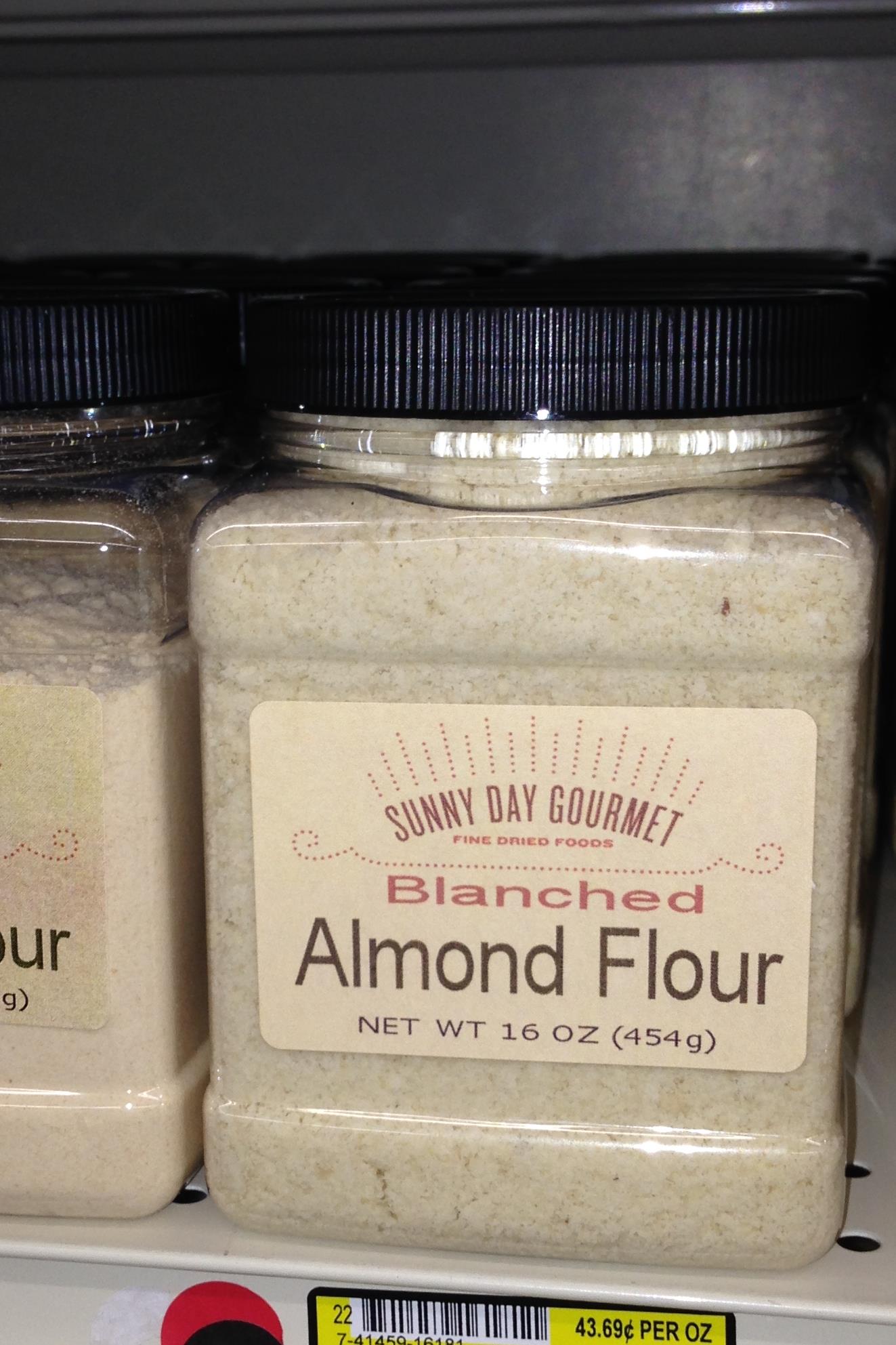
1. Swap wheat-based flour with almond flour/meal


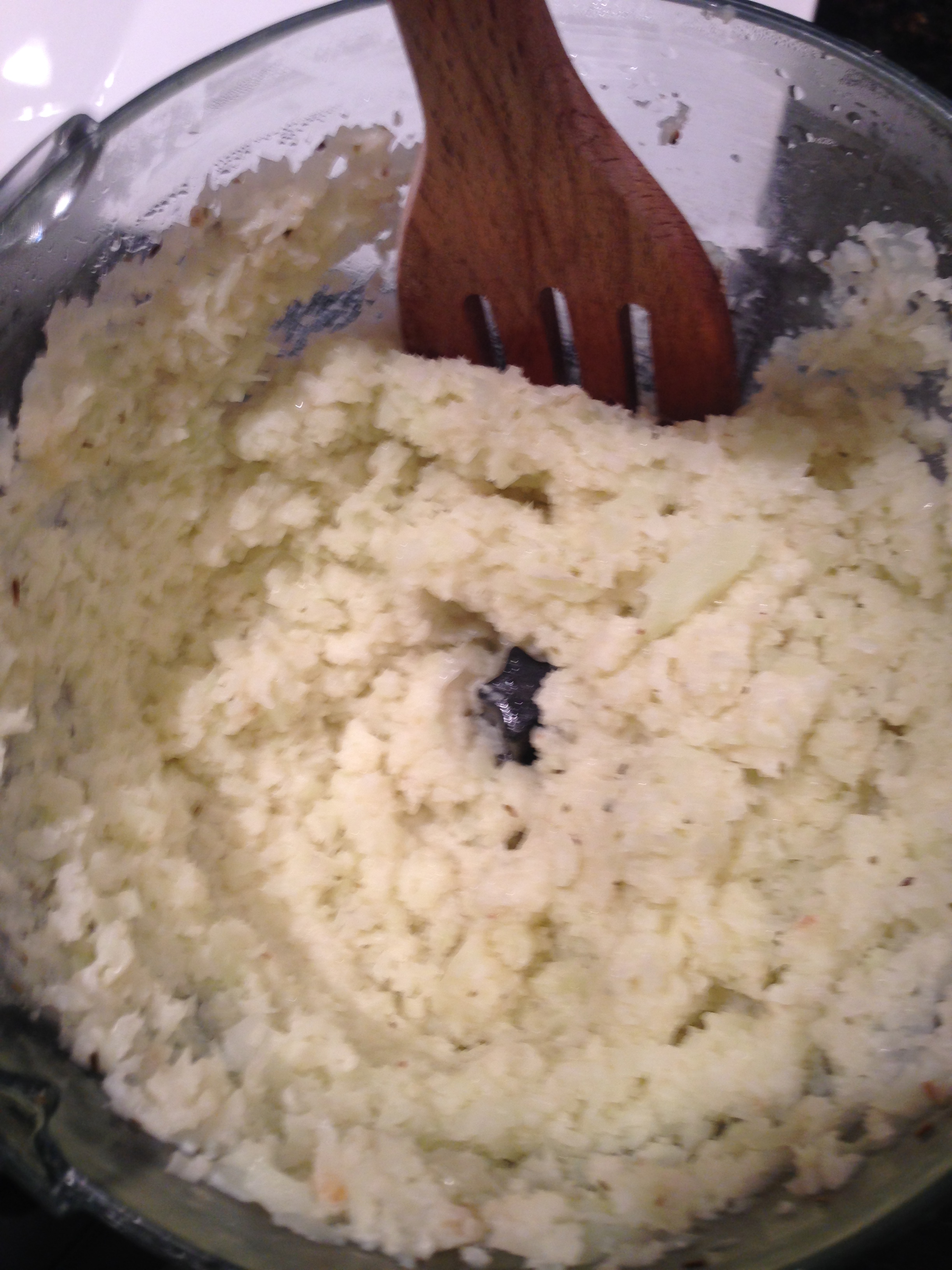
2. Swap potatoes and rice for cauliflower

3. Swap pasta for shirataki noodles and zucchini


Lisa Grudzielanek, MS,RDN,CD,CDE
Cureality Nutrition Specialist

Not so fast. Don’t make this mistake when going gluten free!

Beginning last month, the Food and Drug Administration began implementing its definition of “gluten-free” on packaged food labels.  The FDA determined that packaged food labeled gluten free (or similar claims such as "free of gluten") cannot contain more than 20 parts per million of gluten.

It has been years in the making for the FDA to define what “gluten free” means and hold food manufactures accountable, with respect to food labeling.  However, the story does not end there.

Yes, finding gluten-free food, that is now properly labeled, has become easier. So much so the market for gluten-free foods tops $6 billion last year.   However, finding truly healthy, commercially prepared, grain-free foods is still challenging.

A very common mistake made when jumping into the gluten-free lifestyle is piling everything labeled gluten-free in the shopping cart.  We don’t want to replace a problem: wheat, with another problem: gluten free products.

Typically gluten free products are made with rice flour (and brown rice flour), tapioca starch, cornstarch, and potato flour.  Of the few foods that raise blood sugar higher than wheat, these dried, powdered starches top the list.

 They provide a large surface area for digestion, thereby leading to sky-high blood sugar and all the consequences such as diabetes, hypertension, cataracts, arthritis, and heart disease. These products should be consumed very rarely consumed, if at all.  As Dr. Davis has stated, “100% gluten-free usually means 100% awful!”

There is an ugly side to the gluten-free boom taking place.  The Cureality approach to wellness recommends selecting gluten-free products wisely.  Do not making this misguided mistake and instead aim for elimination of ALL grains, as all seeds of grasses are related to wheat and therefore overlap in many effects.

Lisa Grudzielanek MS, RDN, CD, CDE
Cureality Health & Nutrition Coach

3 Foods to Add to Your Next Grocery List

Looking for some new foods to add to your diet? Look no further. Reach for these three mealtime superstars to encourage a leaner, healthier body.

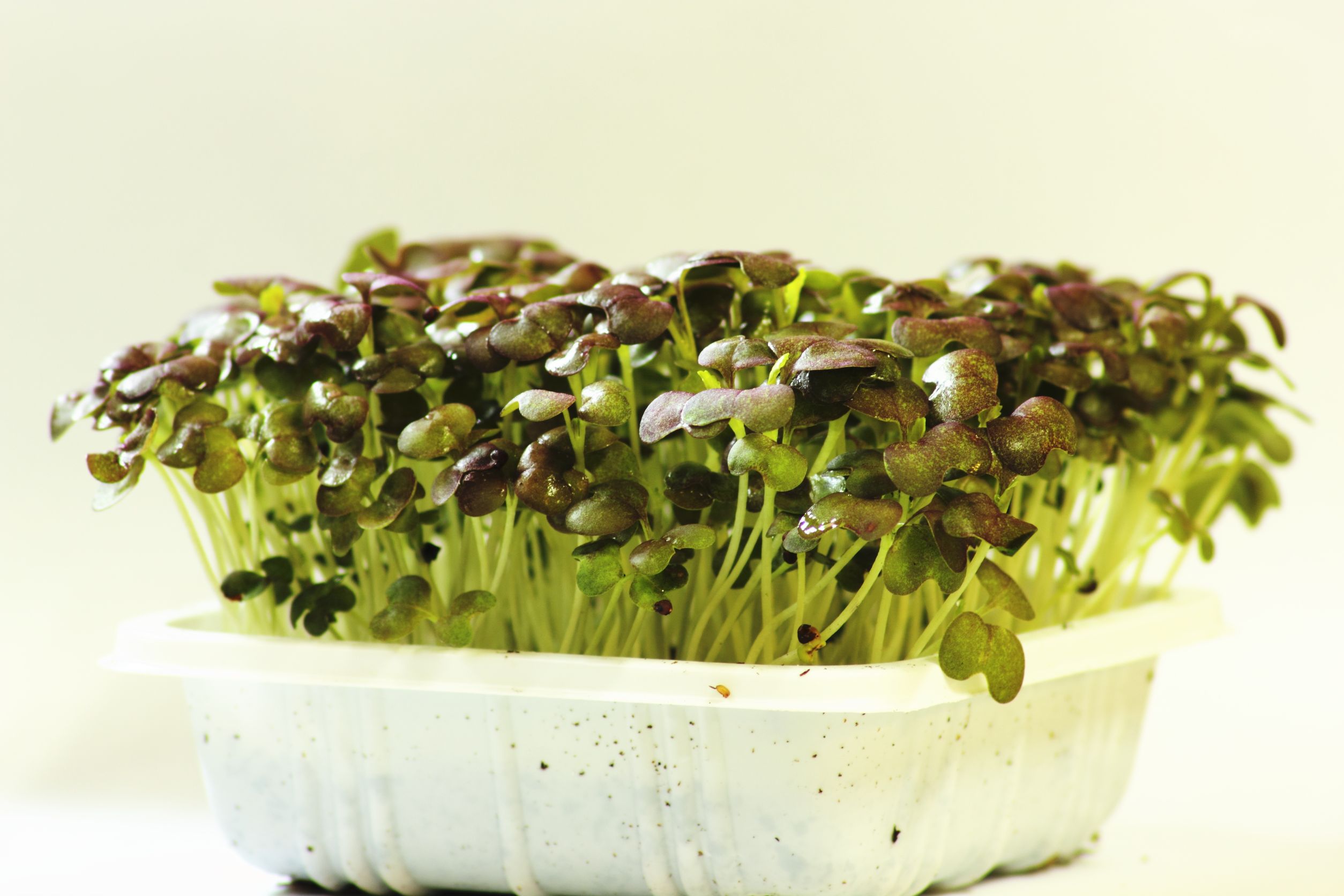
Microgreens

Microgreens are simply the shoots of salad greens and herbs that are harvested just after the first leaves have developed, or in about 2 weeks.  Microgreen are not sprouts. Sprouts are germinated, in other words, sprouted seeds produced entirely in water. Microgreens are grown in soil, thereby absorbing the nutrients from the soil.

The nutritional profile of each microgreen depends greatly on the type of microgreen you are eating. Researchers found red cabbage microgreens had 40 times more vitamin E and six times more vitamin C than mature red cabbage. Cilantro microgreens had three times more beta-carotene than mature cilantro.

A few popular varieties of microgreens are arugula, kale, radish, pea, and watercress. Flavor can vary from mild to a more intense or spicy mix depending on the microgreens.  They can be added to salads, soup, omelets, stir fry and in place of lettuce.  

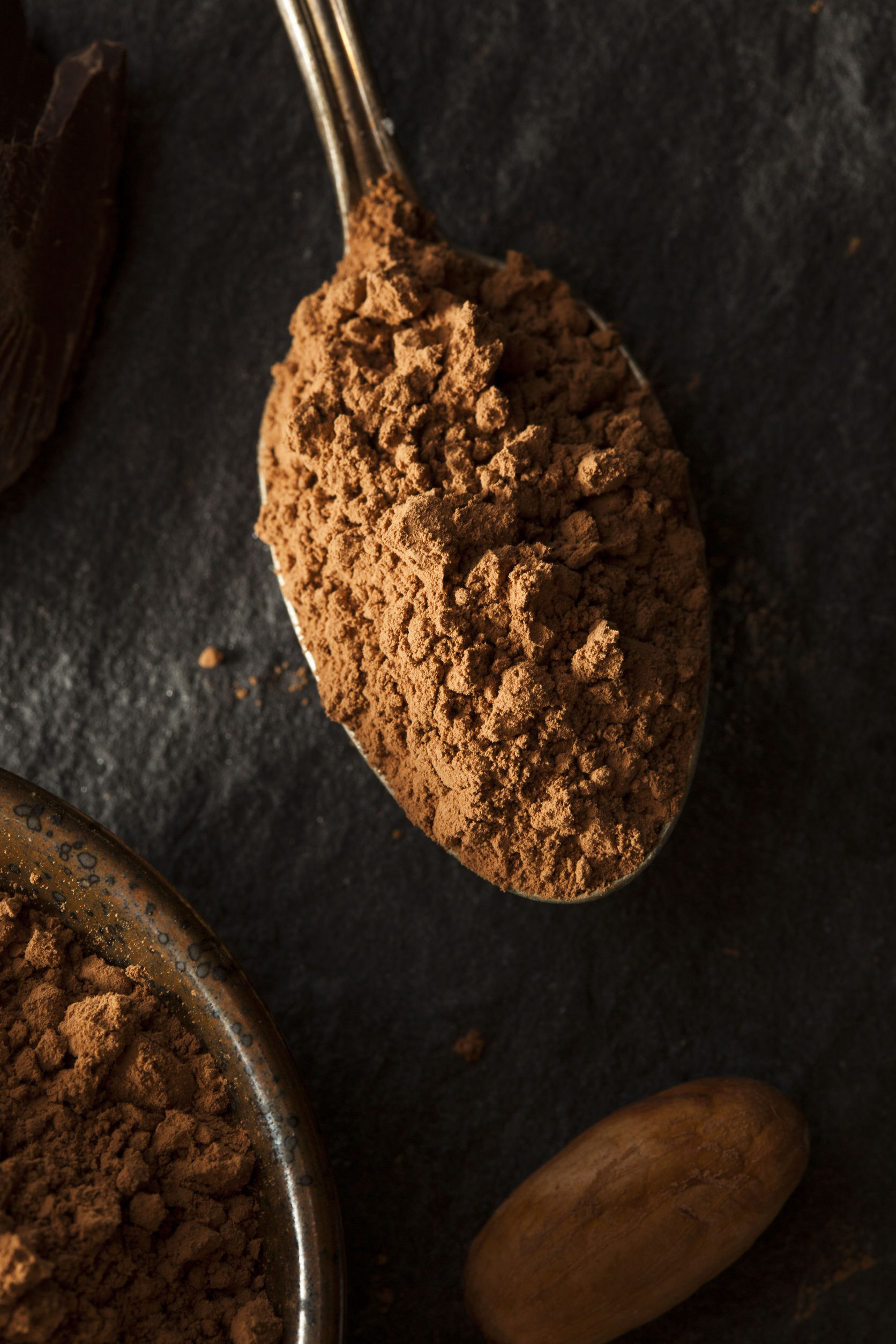
Cacao Powder

Cocoa and cacao are close enough in flavor not to make any difference. However, raw cacao powder has 3.6 times the antioxidant activity of roasted cocoa powder.  In short, raw cacao powder is definitely the healthiest, most beneficial of the powders, followed by 100% unsweetened cocoa.

Cacao has more antioxidant flavonoids than blueberries, red wine and black and green teas.  Cacao is one of the highest sources of magnesium, a great source of iron and vitamin C, as well as a good source of fiber for healthy bowel function.
Add cacao powder to milk for chocolate milk or real hot chocolate.  Consider adding to coffee for a little mocha magic or sprinkle on berries and yogurt.


Shallots


Shallots have a better nutrition profile than onions. On a weight per weight basis, they have more anti-oxidants, minerals, and vitamins than onions. Shallots have a milder, less pungent taste than onions, so people who do not care for onions may enjoy shallots.

Like onions, sulfur compounds in shallot are necessary for liver detoxification pathways.  The sulfur compound, allicin has been shown to be beneficial in reducing cholesterol.  Allicin is also noted to have anti-bacterial, anti-viral, and anti-fungal activities.

Diced then up and add to salads, on top of a bun less hamburger, soups, stews, or sauces.  Toss in an omelet or sauté to enhance a piece of chicken or steak, really the possibilities are endless.  

Lisa Grudzielanek,MS,RDN,CD,CDE
Cureality Nutrition & Health Coach

3 Band Exercises for Great Glutes

Bands and buns are a great combination.  (When I talk about glutes or a butt, I use the word buns)  When it comes to sculpting better buns, grab a band.   Bands are great for home workouts, at gym or when you travel.  Check out these 3 amazing exercises that will have your buns burning. 

Band Step Out

Grab a band and place it under the arch of each foot.  Then cross the band and rest your hands in your hip sockets.  The exercise starts with your feet hip width apart and weight in the heels.  Slightly bend the knees and step your right foot out to the side.  Step back in so that your foot is back in the starting position.  With each step, make sure your toes point straight ahead.  The tighter you pull the band, the more resistance you will have.    You will feel this exercise on the outside of your hips. 

Start with one set of 15 repetitions with each foot.  Work on increasing to 25 repetitions on each side and doing two to three sets.


Band Kick Back

This exercise is performed in the quadruped position with your knees under hips and hands under your shoulders.    Take the loop end of the band and put it around your right foot and place the two handles or ends of the band under your hands.  Without moving your body, kick your right leg straight back.  Return to the starting quadruped position.  Adjust the tension of the band to increase or decrease the difficulty of this exercise. 

Start with one set of 10 repetitions with each foot.  Work on increasing to 20 repetitions on each side and doing two to three sets. 


Band Resisted Hip Bridge

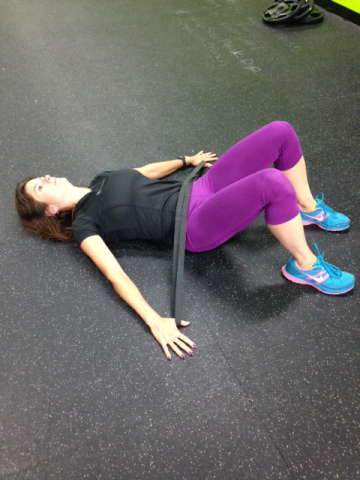
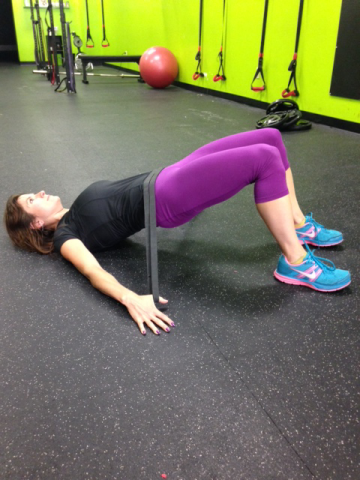
Start lying on your back with feet hip distance apart and knees bent at about a 45-degree angle.  Adjust your hips to a neutral position to alleviate any arching in your lower back.  Place the band across your hipbones.  Hold the band down with hands along the sides of your body.  Contract your abs and squeeze your glutes to lift your hips up off the ground.  Stop when your thighs, hips and stomach are in a straight line.  Lower you hips back down to the ground. 

Start with one set of 15 repetitions.  Work on increasing to 25 repetitions and doing two to three.  Another variation of this exercise is to hold the hip bridge position.  Start with a 30 second hold and work up to holding for 60 seconds.

All posts by william-davis

Coenzyme Q10 and statin drugs

Although drug manufacturers claim that muscle side effects from statin drugs occurs in only around 2% or people or less, my experience is very different.

I see muscle weakness and achiness develop in the majority of people taking Lipitor, Crestor, Zocor, Vytorin, etc. I'd estimate that nearly 90% of people get these feelings sooner or later.

Thankfully, the majority of the time these feelings are annoyances and do not lead to any impairment. Full-blown muscle destruction is truly rare--I've seen it once in over 10 years and thousands of patients.

The higher the dose of statin drug and the longer you take it, the more likely you're going to have muscle aches.

I experienced a strange phemomenon myself today. I worked outdoors for about 4 hours, pulling weeds, digging in the dirt, spreading topsoil. (I have an area of overgrowth in the front yard.) Admittedly, I worked pretty hard and it was a warm, humid day.

I was sore, as you'd expect at age 49. But, much more than that, I was exhausted--my muscles ached and I had barely enough strength to get up the stairs.

Hoping for some relief, I took an extra dose of coenzyme Q10. I usually take 50-100 mg per day. Today, when I felt this overwhelming muscle fatigue, I took an additional 200 mg. Within 10 minutes, I felt a surge of energy. It was, in fact, a perceptible, quite dramatic feeling.

I am thoroughly convinced, through my own experiences on Lipitor (I have a high LDL particle number despite a healthy lifestyle, among other abnormalities), and the experiences of many other people, that coenzyme Q10 can be an extremely useful tool to minimize the muscle aches and weakness of the statin drugs.

If you do indeed need to take one of these agents, coenzyme Q10 is worth knowing about. Supplementing coenzyme Q10 has, for me, been a real lifesaver. For many people, LDL reduction is a crucial part of their heart scan score control program. In my experience, many of them would not be able to take the drug without eozyme Q10.

Blast your LDL with oat bran and almonds

Nearly all of us can use an extra boost in reducing LDL cholesterol. We have a large number of people, in fact, who have reduced LDL into the Track Your Plaque range of 60 mg/dl or less without the use of statin cholesterol-reducing drugs.


Oat bran is among my favorite ways to reduce LDL. Three tablespoons per day is a really effective method to drop your LDL around 20 points. There's twice the beta glucan (soluble, or "viscous", fiber)in oat bran, as compared to the more popular oatmeal. Add oat bran to anything you can think of: yogurt, cottage cheese, vegetarian chili, oatmeal, top desserts with it, etc. Some people struggle to find oat bran in the grocery store. Most health food stores that sell bulk products will have oat bran, usually less than a $1 per pound. Many grocery stores will also have an oat bran hot cereal along with the Cream of Wheat and oatmeal. That's okay, provided the only ingredient is oat bran--no added sugars, etc.


Another dynamite method to reduce LDL 10-20 points is adding raw almonds to your daily food choices. One or two handfuls per day works great. We find it at Sam's Club for around $12.99 for a 3 lb. bag. The plentiful fibers and monounsaturates in almonds keep you full and satisified, take the edge off your sweet tooth, and even blunt the blood sugar rise caused by other foods.

Both these foods are also great ways to combat the metabolic syndrome. Since both fiber-rich oat bran and almonds slow the release of sugars into the blood, blood insulin level is also reduced. This results in a happy cascade of less small LDL, increased HDL, and a reduction in inflammation.

All these wonderful effects contribute to inching you closer to success: dropping your heart scan score.

Pre-diabetes with normal blood sugar

We pay special attention to pre-diabetes, in all its varied manifestations, in the Track Your Plaque program. This is because these factors are potent instigators of coronary plaque growth.

Early in the Track Your Plaque program we ignored these measures. After all, this is a program for heart disease risk reduction, not for mangement of diabetes. But we saw explosive rates of plaque growth when pre-diabetic factors were not controlled--even when cholesterol and related factors were under excellent control.

It became increasingly clear that factors associated with pre-diabetes needed to be managed, as well. This includes small LDL, increased blood sugar, high blood pressure, increased inflammation (as CRP).

Many people, however, have normal blood sugars (100 mg/dl or less) with a high blood insulin level (>10 microunits/ml). (This blood test is available in most laboratories.) This means that they have early resistance to insulin. The pancreas, the source of insulin, responds to the body's unresponsiveness to insulin by increasing insulin production.

Increased blood insulin with normal blood sugar will drive production of higher triglycerides, a drop in HDL, creation of small LDL, and inflammation--and coronary plaque growth, as evidenced by increasing CT heart scan score.

Blood insulin levels can be very effectively dropped by weight loss; exercise; reduction of processed carbohydrates like breads, pretzels, and breakfast cereals; and increased raw nuts and oat products; and vitamin D replacement to normal levels. Drug manufacturers are desperately trying to make this a mandate for drug treatment (Actos, Avandia), but are encountering resistance, since most people without overt diabetes don't want to take diabetic medication (rightly so!).

You and your doctor should consider insulin as a factor to track, especially if you have small LDL, low HSL, or high triglycerides, or any of the other manifestations listed above.

Sometimes small LDL is the only abnormality

Janet is a 58-year old schoolteacher. At 5 ft 3 inches and 104 lbs, she had barely an ounce of fat on her size-2 body. For years, Janet's primary care physician complimented her on her cholesterol numbers: LDL cholesterol values ranging from 100 to 130 mg/dl; HDL cholesterol of 50-53 mg/dl.

Yet she had coronary disease. Her heart scan score: 195.

Lipoprotein analysis uncovered a single cause: small LDL. 95% of all of Janet's LDL particles were in the small category. What was surprising was that this pattern occurred despite her slender build. Weight is a powerful influence on the small LDL pattern and the majority of people with it are overweight to some degree. But not Janet.

How did she get small LDL if she was already at or below her ideal weight? Genetics. Among the genetic patterns that can account for this pattern is a defect of an enzyme called cholesteryl-ester transfer protein, or CETP. This is the exact step, by the way, that is blocked by torcetrapib, the new agent slated for release sometime in future (The manufacturer, Pfizer, is apparently going to sell this agent only packaged in the same tablet as Lipitor. This has triggered an enormous amount of criticism against the company and they are, as a result discussing marketing torcetrapib separately.)

Also note that Janet had a severe excess of small LDL despite an HDL in the "favorable" range. (See my earlier conversation on this issue, The Myth of Small LDL at http://drprevention.blogspot.com/2006/06/myth-of-small-ldl.html.)

With Janet, weight loss to reduce small LDL was not an option. So we advised her to take fish oil, 4000 mg per day; niacin, 1000 mg per day; vitamin D, 2000 units per day; use abundant oat bran and raw almonds, both of which suppress small LDL. This regimen has--surprisingly--only partially suppressed her small LDL pattern by a repeat lipoprotein analysis we just performed. We're hoping this may do it, i.e., stop progression or reduce her heart scan score.

The lesson: Small LDL is a very potent pattern that can be responsible for heart disease, even if it occurs in isolation. And, contrary to conventional thinking, small LDL can occur as an independent abnormality, even when HDL is at favorable levels.

Report from Washington II

Today's discussions at the Society for Cardiovascular Computed Tomography (SCCT) focused on atherosclerotic "plaque characterization".

As CT scanners get better and better at imaging the various components of plaque, some fascinating issues emerge:

--CT heart scans provide insights into what exactly is contained in an individual's atherosclerotic plaque that are not often provided even during heart catheterization. In other words, CT heart scanning is, in many instances, superior to heart catheterization, since it provides images of the artery wall, not just the internal contents.

--Progression (i.e., increase) in heart scan score is a powerful predicter of heart attack risk. Dr. Matthew Budoff of UCLA argued persuasively that the annual rate of increase in score is probably the most accurate measure of risk available, superior to cholesterol and calculated measures like the Framingham risk score.

--Coronary calcium scoring remains the best method to gauge total plaque throughout the entire coronary tree. In a person free of symptoms, the risk of a cardiac "event" (heart attack, death, procedures) is low and additional imaging (like CT angiography) is generally unnecessary.


Dr. Budoff, among the true thought leaders in CT heart scanning, also recounted his perspective on the history of heart scans. He noted that the questions asked through the years have evolved:


1995-2000 Should we do coronary calcium scans?

2000-2002 Do high or low risk patients benefit from coronary calcium scoring?

2003-2004 What is the better scanner, EBT or MDCT?

2006 How often should we perform coronary calcium imaging?


I believe that Dr. Budoff summarizes wonderfully where the Track Your Plaque programs fits into the overall scheme of things: Serial (repeated)CT heart scans to gauge progression or reversal is the wave of the future. We shouldn't just be interested in identifying persons at risk for heart attack. We should also be interested in showing the person at risk exactly how to reduce or eliminate that risk.

Report from Washington


I'm presently attending the Society for Cardiovascular Computed Tomography meetings in Washington, DC, along with 500 of my colleagues. It's exciting to see how interest in CT scanning for heart disease has balloonned in the past couple of years.

Several trends are noticeable today, based on the content and tone of the discussions:

--CT scanning of the heart, and imaging in general, is just getting started. In other words, the capabilities for CT scanners and other devices to detect heart disease (coronary and otherwise) are where the gasoline engine was in the 19th century. Scanning is getting faster, easier, safer, and more precise. Just as few people in 1905 could have predicted that automobiles would be computer-enhanced, high-speed, ubiquitous devices with several per household, the potential for CT imaging for heart disease is truly in its infancy.

--CT coronary angiography (so-called "64-slice CT scans") are not screening tests for hidden coronary disease in people without symptoms. I was grateful that this point has been made and reiterated by several speakers, as this is consistent with our views. Simple CT heart scans for coronary calcium scoring, in contrast, are screening tests. When the radiation exposure of CT angiograms are reduced to tolerable levels, then they may be used as screening tests. We are probably 3-4 years away from this point.

--Both stress testing and heart catheterizations will be partially replaced by CT scanning. In particular, over the next decade, you will see a dramatic drop in unnecessary catheterizations, i.e,, far less people saying "I had a heart cath but they told me that it was normal."


There has been heavy focus on applications of CT scanning for acute settings, particularly the emergency room and hospitals.

What has surprised me is that there is virtually no conversation whatsoever about the preventive uses of CT heart scanning. So far, only Dr. Daniel Berman of UCLA has shown that he has "seen the light": CT scans are a crucial tool for identification of early coronary plaque, and this tells us whether prevention is necessary and with what intensity.

There has been, however, no discussion at all about quantification of plaque in a program of reversal. Perhaps that should come as no surprise, given the imaging-technology focus of this convention. For most of my colleagues, prevention is also not terribly interesting. Identification and treatment of acute disease like impending heart attack is.

Of course, applying the information from your CT heart scan to empower you in a program and reversal is what the Track Your Plaque program is all about. I hope you see the light. I admit that it's not always easy to follow what we are advocating here. Perhaps not too different than telling someone in his horse-drawn buggy that one day he'll be driving a sleek car with onboard computerized mapping, air-conditioning, and micro-chips to modulate engine performance. He's probably tell us we're nuts.

I'll continue to update if any news relevant to our interests crops up in these meetings.

What about the Track Your Plaque failures?

I’d love to tell you that the Track Your Plaque program track record is of 100% success. It’s not.

It is very successful. But we’ve had some people who have failed and failed BIG. These are the people who've undergone bypass surgery, received one or more stents, or had heart attacks. Lesser failures are the people who’ve had large, undesirable increases in heart scan scores of >30% in one year. (The expected rate of increase in your heart scan score without preventive efforts is 30% per year, on average.)

What can we learn from those failures? There were several characteristics that stand out among this small group:

· Non-compliance--meaning they just didn’t stick with it. They started out right but then rapidly lost interest in maintaining all the pieces of the program and neglected their fish oil, niacin, gain weight, etc. Matthew did this and ended up with three stents to his left anterior descending. His slow start was due to skepticism that the program worked and just plain forgetfulness.

· Extreme stress--One of our earliest failures was a 38-year old man whose heart scan score doubled in one year, despite doing everything right. But three family members, all close to him, died within the space of six months, including his mother and a brother. I regard this as one of those instances in which we were powerless, unfortunately, though it is a graphic example of the power of unresolved stress and grief.

· Having a “better way”--These are the couple of people who were convinced that they had a better way to control their heart scan score. David firmly believed that his two dozen supplements and exercise program would drop his score. Instead, they permitted a 42% increase. Lee relied exclusively on chelation, along with several supplements of his own design. Lee had three-vessel bypass surgery.

· Starting too late--Gerome started with a score of 1179, but also was having chest pressure with emotional stress. His stress test was abnormal, with the entire upper half of his heart not receiving blood with exercise on a stress nuclear study (“anterior ischemia”). Gerome received four bypass grafts. Unfortunately, Gerome never really had a chance to engage in the Track Your Plaque program, since his health and safety were in jeopardy as soon as he started.

Have we had any big failures of people who did everything right, were compliant, were not subject to extreme stress (more than just job stress, or financial worries), didn’t neglect the basic requirements of the Track Your Plaque program, and had sufficient time (at least 6 months to 1 year)? No, thankfully, we have not.

No one who has stuck to the program has had a big failure.

Be smarter than your cardiologist

“Do you need a stent?”

Sad to say, but that sentence condenses the wisdom of over 90% of practicing cardiologists.

Prevention of heart disease means take Lipitor or some other statin and cutting the saturated fat in your diet. That’s it. Maybe throw in exercise.

Regression of coronary plaque? That phrase has only entered the conversation since the AstraZeneca-supported trial of Crestor succeeded in achieving 8% regression of plaque (Track Your Plaque Members: See News) as demonstrated by intracoronary ultrasound.


In other words, in the minds of my colleagues, it can’t be true until a drug company tells them it’s true. It’s beyond me why this brainwashing of otherwise intelligent people has occurred, but it is blatantly evident in practice.

Fish oil is another example. The spectacular benefits of fish oil have been known for 20 years. But only recently has it become a “mainstream” practice to recommend fish oil, largely because a drug manufacturer has put a preparation through the rigors of FDA approval (Omacor) and is now marketing directly to physicians. All of a sudden, fish oil is a good thing? No, it’s just achieved legitimacy in the eyes of practitioners because it graces marketing literature.

If you’re reading this, you’re likely interested in coronary plaque regression using the only tool available for you to measure, track, and regress coronary plaque: CT heart scans. Intracoronary ultrasound will achieve the same goal, but it is an invasive procedure performed at heart catheterization, involves threading a wire and imaging probe all the way down the artery, involves real risk of tearing the inner lining of the artery, and is costly (around $14,000-$20,000 for the entire package). Do it every year? That’d be nuts.

If you’re thinking about coronary plaque regression, using fish oil, concerned about patterns like low HDL and small LDL, aware of the vitamin D deficiency issue as a coronary risk factor, etc., you are far more aware than the vast majority of practicing cardiologists. They are interested in what new brand of anti-coagulant to use during their heart catheterization (because the product representative gushes about the new agent—only $1200 a dose!). Or, they are interested in gaining the procedural skills to put in a new device like a biventricular pacemaker. Regress/reverse coronary plaque? What for?

You already know that a conversation about coronary plaque reversal will not be obtained in your cardiologist’s office. Your family practice doctor or internist? Fat chance! Knee arthritis, pap smears, pneumovax inoculations, sore throats, gout, back pain—they’re spread far too thin to know anything more than the most superficial amount about coronary plaque control. Most know nothing.

That’s where we come in. That’s our mission: Educate people about the extraordinary tools that you have available to you, all in the cause of control or reversal of coronary plaque.

Why am I here?

Frank came to the office for an opinion, sent by his (proactive) family physician.

"I really don't know why I'm here, to be honest."

Two years earlier, Frank had a heart attack, survived and received two stents to his circumflex coronary artery. He now took Zocor and his LDL cholesterol was a reasonably favorable 89 mg, total cholesterol 183 mg.

"I walk with my wife every other day. I've been avoiding fish fries. You'll never see me eat fast food."

Frank was correct: If we were going to engage in the conventional approach to coronary disease, Frank was on the right track. We would have postponed his next heart attack or procedure by a couple of years. Stroke, aneurysm, and other atherosclerotic manifestations would be set back, likewise, a few years.

Would Frank have profound control over his disease? Absolutely not. In fact, his disease had probably advanced a huge amount just in the two years since his stents were placed and he was on his "prevention" program. Without his current effort, his coronary plaque would be expected to grow 30% per year. On Zocor and his modest lifestyle efforts, plaque growth was probably in the 14-28% per year range.

So I explained the unique Track Your Plaque approach to Frank. First, we start with a CT heart scan to establish where he was starting. Although he had two stents in his circumflex artery, we still had two other arteries (LAD, right coronary) to score and track.

We then attempt to identify all hidden causes of his heart disease and then correct them.

Of course, Frank had multiple hidden causes:

--HDL too low at 38 mg/dl
--Small LDL-severe, in fact, with 95% of all LDL particles in the small category
--Triglycerides too high
--Excesses of several triglyceride-containing particles (VLDL, IDL)
--Pre-diabetes--Frank had both a borderline high blood sugar and a high insulin level. This is a sure-fire stimulus to coronary plaque growth.
--A severe deficiency of vitamin D (<20 ng/ml)
--An excessivelyhigh blood pressure during exercise--With a blood pressure of 190/102 on the treadmill.

There were others(!), but that was the bulk of the causes behind Frank's coronary disease.

Once Frank recognized that there was indeed a huge panel of hidden causes for heart disease, not just too much fat in his diet and LDL cholesterol, he jumped into the program head first.

The message: The conventional approach is absurdly oversimplified, a certain path to failure for the majority of people. Even if you don't have known coronary disease like Frank, but just have a heart scan score >zero, the same principles apply to you.

Catheterization to “define coronary anatomy”

Gary is an avid jogger. On an average day, he runs 5-6 miles at a good clip. On two occasions recently, however, Gary experienced an ache in his left shoulder at mile 4. It was a toothache-like feeling, but he kept on going without difficulty.

Gary also had a heart scan score of 370.

Upon hearing of Gary’s score and his shoulder sensation, the cardiologist who saw him advised a heart catheterization “to define coronary anatomy”. (This is a real incident.)


What exactly does that mean? Why would Gary’s cardiologist need to define it?

In my view, this is an absurd notion. No one needs to “define coronary anatomy”. This catch-all phrase is commonly used to justify heart procedures. I believe what the cardiologist is saying is that it’s the easiest (for the cardiologist) and perhaps most generously reimbursed method to determine whether Gary’s symptoms are warning of an impending heart attack or not.

The problem is that the question can also be answered quite well by doing a stress test. Though not perfect diagnostic tests, stress tests are useful when symptoms are present that are doubtful in nature. Gary’s left shoulder ache could have been related to his heart, but the likelihood was that it was not. A stress test would have answered the diagnostic question quite adequately.

Instead, this man was subjected to an invasive test that was likely unnecessary. This happens dozens, if not hundreds, of times per day just around here. Nationwide, it is an epidemic of malpractice.

There are, indeed, times when a person should proceed directly to a heart catheterization. This is commonly and appropriately performed when a person develops unstable heart symptoms, such as chest discomfort or breathlessness at rest while not doing anything physical, or if the frequency is increasing, or if a stress test shows an important abnormality. There is no question that heart procedures can be lifesaving at times.

The problem is that thousands of people every year are scared into these procedures inappropriately. Beware!

Unexpected effects of a wheat-free diet

Wheat elimination continues to yield explosive and unexpected health benefits.

I initially asked patients in the office to eliminate wheat because I wanted to help them reduce blood sugar and pre-diabetic tendencies.

A patient would come to the office, for example, with a blood sugar of 118 mg/dl (in the pre-diabetic range) and the other phenomena of pre-diabetes or metabolic syndrome (high blood pressure, high inflammation/c-reactive protein, low HDL, high triglycerides, small LDL), and the characteristic wheat belly. Eliminate wheat and, within three months, they lose 30 lbs, blood sugar drops to normal, blood pressure drops, triglycerides drop by several hundred milligrams, HDL goes up, small LDL plummets, c-reactive protein drops.

People also felt better, with flat tummies and more energy. But they also developed benefits I did not anticipate:

--Improved rheumatoid arthritis--I have seen this time and time again. Eliminate wheat and the painful thumbs, fingers, and other joints clear up dramatically. Many former rheumatoid sufferers people tell me that one cracker or pretzel will trigger a painful throbbing reminder that lasts a couple of hours.

--Improved ulcerative colitis--People incapacitated with pain, cramping, and diarrhea of ulcerative colitis (who are negative for the antibodies for celiac disease) can experience marked improvement. I've seen people be able to stop all their nasty colitis medications just by eliminating wheat.

--Reduction or elimination of irritable bowel syndrome

--Reduction or elimination of gastroesophageal reflux

--Better mood--Eliminating wheat makes you happier and experience more stable moods. Just as wheat is responsible for a subset of schizophrenia and bipolar illness (this is fact), and wheat elimination generates dramatic improvement, when you or I eliminate wheat, we also experience a "smoothing" of mood swings.

--Better libido--I'm not sure whether this is a consequence of losing a belly the size of a watermelon or improvement in sex hormones (esp. testosterone) or endothelial responses, but more interest in sex typically develops.

--Better complexion--I'm not entirely sure why, but various rashes will often dissipate, bags under the eyes are reduced, itching in funny places stops.


It's also peculiar how, after someone eliminates wheat for several months, re-exposure of an errant cracker or sandwich results in cramping and diarrhea in about 30% of people.

Obviously, people with celiac disease, who can even die of exposure to wheat, are even worse. What other common food do you know of that makes us sick so often, even occasionally with fatal outcome?

Is Lp(a) part of your legacy to your children?

If you have lipoprotein(a), Lp(a)--the most aggressive known cause of heart disease that no one has heard of--then you need to tell your children.

Lp(a) is a "cleanly" inherited genetic pattern: If either parent has it, there's a 50% chance that you have it. If you have it, then there's a 50% likelihood that each of your children has it. (Note that each child experiences a likelihood of 50%, not 50% of your children. This is because each child is conceived as an independent statistical event. So much for romance!)

The atherogenicity (plaque-causing potential) of Lp(a) also tends to get transmitted. In other words, if your Dad had a heart attack at age 50 due to Lp(a) and you share Lp(a), then you likely share a similar magnitude of risk as your Dad. If your Mom had Lp(a), though passed quietly at age 89 without any overt evidence of heart disease, then you are likely to share the relatively benign form of Lp(a).

For most of us with Lp(a), however, it is best to assume that it has at least some potential for causing heart disease, being the most aggressive cause known. (That is, until we have the ability in everyday clinical practice to characterize Lp(a) by assessing such factors as the size of the apoprotein(a) molecule, the number of kringle "repeats" on the tail, etc. Until then, we need to rely on the crude, though helpful, observation of family history.)

At what age should you inform your children? There's no hard-and-fast rule. However, I generally suggest to patients that they talk about Lp(a) with their children when they reach their 20s or 30s, old enough to begin to understand the implications and begin to think about adopting healthier lifestyles. Is treatment required at, say, age 35? That depends on the pattern of Lp(a)-related heart disease in the family: With exceptionally aggressive forms, it might be reasonable to begin treatment at this relatively early age.

Do "Heart Healthy" sterols cause heart disease?

The sterol question continues to pop up.

Sterols are an ingredient widely added by food manufacturers that allows a "heart healthy" claim, since sterols have been shown to reduce LDL cholesterol (at least transiently). HOWEVER, sterols have also been implicated in possibly increasing risk for heart disease. After all, people with the genetic condition called sitosterolemia absorb sterols into the blood and develop coronary heart disease in their teens and twenties. Those of us without sitosterolemia who increase sterol intake with sterol-enriched foods increase blood levels of sterols several-fold. Is this healthy, or does it contribute to coronary plaque as it does in people with sitosterolemia?

Below, I've reprinted a previous Heart Scan Blog post on sterols.


Sterols should be outlawed

While sterols occur naturally in small quantities in food (nuts, vegetables, oils), food manufacturers are adding them to processed foods in order to earn a "heart healthy" claim.

The FDA approved a cholesterol-reducing indication for sterols , the American Heart Association recommends 200 mg per day as part of its Therapeutic Lifestyle Change diet, and WebMD gushes about the LDL-reducing benefits of sterols added to foods.


Sterols--the same substance that, when absorbed to high levels into the blood in a genetic disorder called "sitosterolemia"--causes extravagant atherosclerosis in young people.

The case against sterols, studies documenting its coronary disease- and valve disease-promoting effects, is building:

Higher blood levels of sterols increase cardiovascular events:
Plasma sitosterol elevations are associated with an increased incidence of coronary events in men: results of a nested case-control analysis of the Prospective Cardiovascular Münster (PROCAM) study.

Sterols can be recovered from diseased aortic valves:
Accumulation of cholesterol precursors and plant sterols in human stenotic aortic valves.

Sterols are incorporated into carotid atherosclerotic plaque:
Plant sterols in serum and in atherosclerotic plaques of patients undergoing carotid endarterectomy.


Though the data are mixed:

Moderately elevated plant sterol levels are associated with reduced cardiovascular risk--the LASA study.

No association between plasma levels of plant sterols and atherosclerosis in mice and men.


The food industry has vigorously pursued the sterol-as-heart-healthy strategy, based on studies conclusively demonstrating LDL-reducing effects. But do sterols that gain entry into the blood increase atherosclerosis regardless of LDL reduction? That's the huge unanswered question.

Despite the uncertainties, the list of sterol-supplemented foods is expanding rapidly:


Each Nature Valley Healthy Heart Bar contains 400 mg sterols.


HeartWise orange juice contains 1000 mg sterols per 8 oz serving.


Promise SuperShots contains 400 mg sterols per container.


Corozonas has an entire line of chips that contain added sterols, 400 mg per 1 oz serving.


MonaVie Acai juice, "Pulse," contains 400 mg sterols per 2 oz serving.


Kardea olive oil has 500 mg sterols per 14 gram serving.


WebMD has a table that they say can help you choose "foods" that are sterol-rich.

In my view, sterols should not have been approved without more extensive safety data. Just as Vioxx's potential for increasing heart attack did not become apparent until after FDA approval and widespread use, I fear the same may be ahead for sterols: dissemination throughout the processed food supply, people using large, unnatural quantities from multiple products, eventually . . . increased heart attacks, strokes, aortic valve disease.

Until there is clarification on this issue, I would urge everyone to avoid sterol-added "heart healthy" products.


Some more info on sterols in a previous Heart Scan Blog post: Are sterols the new trans fat? .

Why obese people can't fast

Why do obese people claim it is impossible to fast?

Most overweight people are terrified at the prospect of facing any period of time without ready access to food. Persuading them to begin a program of intermittent fasting is a hopeless cause. They just refuse.

Contrary to popular opinion, this is not just glutonny at work. It is the effect of what I call "the cycle of hunger," the 2-hour up and down cycle of rising sugar and insulin, followed by their inevitable fall. The precipitous fall of sugar and insulin triggers mental fogginess, fatigue, and insatiable hunger. (By the way, this is the same phenomenon underlying the silly notion of "grazing.")

According to an LA Times article, fasting may be difficult to impossible for some people:

"Ruth Frechman, a registered dietitian in Burbank and spokeswoman for the American Dietetic Assn., says she frequently sees such extreme strategies backfire. 'You're hungry, fatigued, irritable. Fasting is not very comfortable. People try to cut back one day and the next day they're starving and they overeat.'"
(Not surprising, coming from the American Diatetic Assn. They, along with such agencies as the American Diabetes Association, are vocal proponents of low-fat, high-carbohydrate, "healthy whole grain" diets--you know, the diets that make us fat and diabetic.)

Ms. Frechman is correct: Having someone engage in a period of fasting, no matter how brief, when the diet leading up to the fast is filled with "healthy whole grains" and other carbohydrates will result in painful hunger that eventually overcomes any effort. A period of overeating typically follows the aborted attempt.

Fasting cannot work as long as the 2-hour cycle of hunger continues. The first step: Eliminate the 2-hour cycle of hunger by dramatically reducing or eliminating carbohydrates. Our preferred method is to eliminate wheat, cornstarch, and sugars. (Just be aware of wheat withdrawal, the fatigue that develops in the first 5 days after wheat elimination that affects up to 30% of people.)

Once wheat, cornstarch, and sugars are eliminated, hunger reverts to that of physiologic need--appetite will be smaller and less intense, since it is driven by your body's needs, not by abnormal stimulation from wheat, cornstarch, and sugar. The fear of not having food dissolves, the 2-hour cycle of mental fogginess, fatigue, and hunger will be gone.

Intermittent fasting is a wonderful strategy for reducing weight; gaining control over lipids, lipoproteins, and coronary plaque; regaining appreciation for food; reducing appetite. But it's not even worth trying unless you've already eliminated the unnatural appetite triggers that will booby-trap any fasting effort.

Test your own thyroid

134 people responded to the latest Heart Scan Blog poll:


When I ask my doctor to test my thyroid, he/she:

Accommodates me without question 45 (33%)

Questions why, but orders the tests 49 (36%)

Refuses because you seem "healthy" 20 (14%)

Refuses without explanation 4 (2%)

Ridicules your request 16 (11%)


That's better than I anticipated: 69% of physicians complied with this small request. After all, you're not asking for major surgery. You're just asking for a very basic test, as basic as a blood count or electrolytes. 36% of respondents said that their doctor asked why, but still complied; this is simply practicing good medicine--If there is a problem, your doctor would like to know about it.

However, the remainder--31%--were refused in one way or another. Incredibly, 11% were ridiculed.

Although this was not asked in the poll, I believe that it is a safe assumption that you asked with good reason: you're abnormally fatigued, you have been gaining weight for no apparent reason or can't lose weight despite substantial effort, or you feel cold at inappropriate times.

Let's say you're tired. Ever since last summer, you've suffered a gradual decline in energy.

So you ask your doctor to assess your thyroid. He refuses. "You're just fine! There's nothing wrong with you."

You disagree. In fact, you are quite convinced that there is something physically wrong. What do you do?

You could:

--Drink more coffee
--Exercise more in the hopes that it will snap you out of your lethargy
--Sleep more
--Take stimulants of various sorts

Or, you could get your thyroid assessed and settle the issue. But how can you get this done when your doctor won't accommodate you, even though you have perfectly fine health insurance and are simply interested in feeling better and preserving your health?

You could test your thyroid yourself. This is why we're making self-testing kits available. Test kits are available here.

This is yet another facet of the powerful revolution that is emerging: Self-directed health.

Trains, planes, and heart scans

A Heart Scan Blog reader posted the following question:

It is not clear to me why getting a cardiac scan is the necessary first step, if in fact the next step would be to bring down small LDL particles which is revealed on a NMR lipoprofile or VAP test. Why isn't the NMR or VAP test the first thing?

Good question. Think of it this way:

Lipoproteins, as measured via VAP (Vertical Auto Profile) or NMR (Nuclear Magnetic Resonance), provide a snapshot of risk from a metabolic viewpoint at that moment. Lipoproteins shift with the tides of age, menopause, weight changes, even what you ate last evening for dinner (especially small LDL). There are also other factors that cause coronary plaque, as well, not revealed through lipoprotein testing, such as vitamin D deficiency, smoking, high blood pressure, phosopholipase A2, lipoprotein(a), inflammatory factors, thyroid dysfunction, omega-3 fatty acid deficiency, etc.

A heart scan, providing a coronary calcium score, provides an indirect measure of coronary plaque that is the sum total of lipoprotein and other plaque-causing factors that have accumulated up to the time of your scan--regardless of the cause.

It means that two females, each 60 years old, with 70% small LDL, HDL 42 mg/dl, triglycerides 150 mg/dl, and mild hypertension, have identical markers for potential coronary risk, but can have widely different heart scan scores. One might have a score of zero, while the other might have a score of 300.

Why would the same panel of causes measured at one moment yield wildly different quantities of plaque? Several reasons:

1) The lifestyles, eating habits, and weight of each woman differed during their earlier years, not currently reflected in this moment's lipid or lipoprotein patterns. Perhpaps one experienced several years of extraordinary stress from a failed marriage, or suffered through two years of depression that caused her to smoke and overeat.

2) There are hidden factors that affect coronary plaque growth that we are presently not able to detect, e.g., vitamin D receptor genotype, cholesteryl-ester transfer protein variants, variation in inflammatory factors. If we can't measure it, we won't know whether it might influence coronary plaque risk.


With all the changes that occur over a person's life, with the uncertainties of yet-to-be-identified causes for coronary plaque, how can you possible know what your risk for heart disease truly is? Yup--a heart scan. Do it and you will know.

D2 and D3 are two different things

Helena posted this instructive comment in response to the Heart Scan Blog post, Weight loss and vitamin D. It illustrates the confusion common among physicians and pharmacists on the differences between D2 and D3.

(Edited slightly for clarity.)

Not many weeks ago a colleague of mine (let’s call him Eric) asked me if I knew the difference between D2 and D3 and I told Eric that D2 comes from irradiated mushrooms and D3 comes from wool. In other words, D3 is the same kind of vitamin as humans get from the sun. Humans just don’t get enough and we can’t produce it on our own, like the sheep can. (D3 is natural for humans, D2 is not.)

After telling Eric this, he asked me how he would know what he is taking and I gave him the medical definitions of them both (D2 = Ergocalciferol; D3 = Cholecaliciferol). Since I was aware that he had gotten his Vitamin D by prescription, I told him “I am 99.9% sure that you are taking D2, but I would be thrilled to find out I am wrong.”

Eric called his pharmacy right away and got the answer I was expecting: ergocalciferol. On confronting the person Eric was talking to, the answer he got back was that Ergocalciferol is the only Vitamin D they are giving out.

A week later, Eric had a new appointment with his doctor and decided to ask him about the D2/D3 issue. The doctor said he knew that there was a difference in them both, but could not say what, not even the basic facts I mentioned above. But the doctor stamped a post-it with what he had sent to the pharmacy just to show Eric. “Vitamin D3; 50,000IU tab” is what the stamp said.

Eric, off course, got confused and was starting to believe that the pharmacy had made a mistake by giving him Ergocalciferol (D2) since the doctor had given him D3, or at least that is what was stamped on the little note he had.

Today, after getting a refill of his Vitamin D he also got and kept all his paperwork that came along with it. Still believing that stamp the doctor had given Eric earlier, he asked me to double and triple check that my definition of D2 and D3 was correct. I did, just for my own sanity, and I was still right.

One of the sheets Eric brought me today was the “Patient Education Monograph” sheet stating the drugs and how to use it and so on. The thing that jumped out the most to me was this:

Generic Name: Vitamin D – Oral
Common Brand name(s): Drisdol, Maximum D3
Identification: PA140 Green Oval Capsule

This is the Drug Eric was given: Vitamin D 1.25 MG softgel; Generic name: Ergocalciferol

My researching mind went into high concentration mood and I started to dig. And this is what I found:

The brand name Drisdol is Ergocalciferol (D2), not D3. The Brand name Maximum D3 seems to be hard to find out there in cyber space as a brand name. But the ones I found that were called Maximum D3 seems to be the real stuff, however none of them required a prescription.

When trying to find out through the identification number on the pills (PA140) I now know for sure that Eric is taking Vitamin D2 and not the preferred Vitamin D3. The brand name, Drisdol, had the identification W on one side and D92 on the other, but it is still Ergocalciferol.

The only conclusion I can draw from all this is that the medical industry does not know or care about the difference in D2 and D3 – it is all same to them. And as long as the pharmacies only give out D2 it does not matter what the doctor prescribe anyway.

I know that people are most likely to be prescribed a D2 pill than to be told to buy over-the-counter D3. But it was almost heart breaking to see the letter D and number 3 right next to the drug Drisdol, as we know is a D2 vitamin. It just didn’t make sense to me that they can be labeled as the same type of medication, when we know it is not!


Incredible.

Why prescribe plant form D2 when you can get perfectly reliable, safe, effective D3--the human form, at the health food store for about $6?

Once again, it's the peculiar false bias of physicians and pharmacists: If it's prescription, it must be good; if it comes from a health food store, it must be bogus.

Humans need human vitamin D. Plain and simple.

For more on the D2 vs. D3 issue, see the Heart Scan Post, The case against vitamin D2.

Weight loss: Different causes, different solutions

Heart Scan Blog reader, Kris, related this enlightening story of weight loss (slightly edited for clarity).

Kris learned that excess weight is gained through multiple causes. The solutions are therefore multiple, not just one change in diet or two.


I started studying about my thyroid issue much earlier and did lose some weight. But ever since I started following Dr. Davis’s blog, it has given me confidence that I was on the right track. I did have my thyroid and iodine figured out from other sources, but Dr. Davis helped me to understand the issues with not only the thyroid but vitamin D3, fructose, fish oil, niacin, wheat etc. I have lost 43lb in last 14 months.

It seems to me that there are certain percentages of weight connected with different issues. For example, after I gave up alcohol and sugar, I lost about 14lbs from total weight of 243lbs, weight came down to about 229lb. Then it stopped at 229lb, even though I was in the gym almost 5 to 6 days a week with full workouts.

After I changed my thyroid medication to natural thyroid hormones (took synthetic T4 for over 10 years), the weight dropped down further 13lbs or so in matter of few days, shape of the face changed from moon shape/double chin to ordinary long face. Then it kind of stopped at around 213-216 lbs.

After giving up wheat, reducing carbs, increasing protein intake (whey protein, chicken etc. no soya, no fructose) the weight came down another 14lbs. Now it is around 200-202lbs and I am over 6.2 tall with heavy set of bones.

I feel better than I have ever in my life. More stamina, more clarity/no fog, more confidence and 99% of the time relaxed and being able to see the situation from multiple angles.

I use to be able to drink a liter or more jack denial without a problem in one evening but now can’t stand half a can of beer (I miss JD). Drinking alcohol makes me sick. I sleep well and if I wake up in the middle of the night, I have no problem going back to sleep. No more out of breath stair climbing at all.

One other thing: I used to be the most attractive meal to the mosquitoes, but not anymore. This year I haven’t been bitten once. I take my dog to the park everyday and I do not use any mosquito repellent, what a relief. I don’t know if it is because of thyroid, iodine, wheat or something else. Skin texture has changed dramatically. I do not use full soap or shampoo, 20% borax, 10 percent of my soap or shampoo for scent and rest water, mixed in a 500ml bottle. No more dandruff, dry skin, pimples for me.

Dr. Davis I am thankful to people like you who have the ability to see beyond what you have been taught and have the guts to say the way it is. Most of us work to make living on daily basis but some make their living while spreading their knowledge to save lives. Dr Davis you are one of those few people. Please keep it going.

Calling all losers!

I'd like to invite anyone who has followed the Track Your Plaque Break the Weight Barrier program to consider posting their stories and photos on the Heart Scan Blog.

Because our focus is prevention and reversal of coronary heart disease, we have not made an effort to catalog the weight loss experience that people have while on the program. For many, weight loss has been substantial. (Several people this week alone have reported weight loss of 9 to 46 lbs in the past 6 months.)

It would be helpful to hear and see these results.

For those of you who don't mind having a story and photo on this Blog, please come back in future to post your results. You will find this post by entering "weight loss" into the site-specific search bar at the top of the page.

Weight loss and vitamin D

At the start of her program, Penny's 25-hydroxy vitamin D blood level showed the usual deficiency at 22 ng/ml.

She supplemented with 8000 units of vitamin D. Another 25-hydroxy vitamin D blood level several months later showed a level of 67.8 ng/ml, right on target.

But Penny also began our diet, including the elimination of wheat, cornstarch, and sugars, and, over 6 months, lost 34 lbs.

Now a much trimmer 146 lbs (still more to go!), another vitamin D blood level: 111 ng/ml.

Penny's weight loss means that the vitamin D is distributed in a smaller total volume, particularly a lower volume of fat.

This is a common phenomenon with substantial weight loss: lose weight and the need for vitamin D is reduced. The reduction in dose is roughly proportion to the weight lost. Vitamin D should therefore be reassessed with any substantial change in weight of, say, 10 lbs or more, either up or down, because of the influence of fat on vitamin D blood levels.

Some references on this effect:

Men and women over age 65:
Adiposity in relation to vitamin D status and parathyroid hormone levels: a population-based study in older men and women.

Obese women:
Low 25-hydroxyvitamin D concentrations in obese women: their clinical significance and relationship with anthropometric and body composition variables

Obese children:
Hypovitaminosis D in obese children and adolescents: relationship with adiposity, insulin sensitivity, ethnicity, and season.

African-Americans:
Relationship of vitamin D and parathyroid hormone to obesity and body composition in African Americans.

Although the bulk of the effect is most likely due to sequestration by fatty tissue, perhaps less sun exposure in obese people also contributes:
Body mass index determines sunbathing habits: implications on vitamin D levels.
All posts by william-davis

Weight loss and blood pressure

Here's another thought with regards to time issues with weight loss: reductions in blood pressure (BP).

The previous post talked about how triglycerides initially go up, sometimes way up, when weight drops, only to be followed months later by substantial drops. HDL initially drops in response to the triglyceride fluctuations, only to be followed by a rise.

Blood pressure also shows a curious pattern that is largely dependent on age.

Say someone in their 20s or 30s, for instance, loses 30 lbs (through elimination of wheat and cornstarch, say). BP usually drops within a few weeks, perhaps a month or two at most.

How about someone in their 70s? Say a substantial amount of weight is lost, say 50 lbs over 6 months. BP does indeed drop, but it may require 6 months or longer after weight plateaus for the full effects of BP-reduction to be fully expressed. But it will eventually drop.

Why the age-dependent difference?

It relates to the capacity of arteries to remain flexible and distensible. Over the years, cross-linking of collagen (a structural protein), glycation (glucose molecules attaching to proteins), loss of endothelial responsiveness to generate artery-dilating substances like nitric oxide, and arterial atherosclerotic plaque all all up to making older arteries less able to "relax" and BP to drop.

But given time and the proper effort, BP will eventually drop. Awareness of this time effect can help most people decide better when medications are necessary or if weight loss alone is sufficient to reach BP goals.

"I lost 30 lbs and my triglycerides went . . . up?"

Brad needed to lose weight.

At 6 ft tall, he began the program at 291 lbs, easily 80 lbs overweight. He wore virtually all of it in his belly.

He had laboratory numbers to match: HDL 33 mg/dl, triglycerides 225 mg/dl, LDL (calculated) 144 mg/dl, blood sugar 122 mg/dl (fasting--clearly "pre-diabetic"), c-reactive protein 3.0 mg/dl. Among his lipoprotein abnormalities: small LDL representing 80% of all LDL (no surprise).

Readers of The Heart Scan Blog know that these are the patterns of the carbohydrate-indulgent. I asked Brad to eliminate all wheat flour products, all foods made with cornstarch, and follow a diet rich in healthy oils, raw nuts, vegetables, and lean meats.

Brad returned for a discussion about follow-up basic lipids (cholesterol) values four months later--31 lbs lighter, most of it clearly lost from his abdomen. He claimed he felt more energetic and clear-headed than he had in years.

His lipid panel: HDL 34 mg/dl, LDL 122 mg/dl, triglycerides 295 mg/dl. Brad's smile dissolved. "How could that happen? You said losing weight would make my HDL go up and my triglycerides go down!"

Yes, I had said that. But I was oversimplifying.

The truth is that, when there is weight loss, especially profound weight loss like Brad experienced eliminating wheat and cornstarch products, there is mobilization of fat stores. Fat is stored energy. Energy is stored as . . . triglycerides.

So when there is substantial weight loss, there is a flood of triglycerides in the blood, and triglyceride levels in the midst of weight loss can commonly jump up, not uncommonly to the 200-300+ mg/dl range. When triglycerides go up, there is also a drop in HDL (triglycerides interact with HDL particles, modify their structure and make them more readily destroyed, thereby dropping blood levels). Occasionally, substantial weight loss like Brad experienced will drop HDL really low, as low as the 20's.

Once weight stabilizes, this effect can last up to 2 months before correcting. Only then will triglycerides drop and HDL rise. The rise in HDL occurs even more slowly, requiring several more months to plateau.

In other words, weight loss like Brad's causes triglycerides to increase and HDL to decrease, to be followed later by a drop in triglycerides and a rise in HDL.

I know of no way to block this phenomenon. And perhaps we shouldn't, since this is how fat stores are mobilized and "burned off." Fish oil does blunt the triglyceride rise (perhaps through activation of lipoprotein lipase, an enzyme responsible for clearance of triglycerides), but doesn't eliminate it.

I call these changes "transitional" changes in lipids.

Patience pays. A few more months from now, Brad's numbers will be much happier, as will Brad.

Divorce court for the doctor-patient relationship?

The doctor-patient relationship has gone sour.

This probably comes as no surprise to most of you, particularly if you've been following conversations here in The Heart Scan Blog:

Who is your doctor? discussing the emergence of the physician-as-hospital-employee phenomenon that causes your doctor to become the de facto portal (seller?) of hospital services to you, a model fraught with conflicts of interest.

Exploitation of trust, my observation that the enormous gap in heart disease prevention between the woefully ignorant (by necessity) level of sophistication of the primary care physician and the procedure-obsessed cardiologist leads to an exploitation of humans-for-heart-procedures because of the failure to institute genuine preventive efforts.

Bait and switch , a description of how a minor test or symptom can reap a bonanza of medical testing; a $20 "screening" test yields $10's of thousands in hospital procedures. If it were entirely due to the imprecision of medical testing and detection of disease, that might be forgivable. But it often is not: It has become utterly distorted by the profit model.


Lest you think that I am a kook ranting off in some backwoods corner (Milwaukee), here are the comments of New York Times' Health Editor Tara Parker-Pope in a series called Doctor and Patient, Now at Odds:

Lately I've been hearing a lot from patients who are frustrated, angry, and distrustful of doctors. Their feelings speak to a growing disconnect between doctors and patients and worries that drug companies, insurance rules, and hospital cost-cutting are influencing the care and advice that doctors provide.

Research shows that even among patients who like their personal physicians, there is a simmering distrust of the medical system and the doctors who work inside it.


(There's also a series of candid video interviews with people who echo these sentiments.)

There are a number of reasons for this increasing "disconnect," some of them articulated by Ms. Parker-Pope, others detailed in my blog posts.

The solutions, however, will not be found by advancing technology: the newest robotic surgery, a better defibrillator, a new statin drug, the next best chemotherapeutic agent. It will not be found by adding a new wing to the hospital. It will not be found by the reorganization of healthcare delivery achieved by converting primary care and specialty practice into an arm of hospital care. It will not be improved by employing "hospitalists." It will not emerge from legislation controlling insurance company practices. It certainly will not come from increasing marketing dollars spent by drug companies (who make $4 for every $1 spent on direct-to-consumer marketing).

The solutions will come from shifting the idea of care from a paternalistic, "I'm the doctor and I'll tell you what to do" approach, to the doctor-as-advocate-and-supporter of the patient. The physician should act as someone with a particular sort of expertise that can advise a patient.

But a caveat: The patient MUST be informed.

Proper information will not originate with the doctor. It will originate with internet-based information portals and tools that help you understand the issues, often with far greater depth than your doctor could ever provide. The physician needs to accept this role, one of advocate, adviser, but not of being in charge, not of viewing the patient as profit-center, not as an opponent in a power struggle.

Sadly, the last few years in online information portals has been dominated by the drug company-dominated websites like WebMD, nothing more than a deliverer of the conventional wisdom with nothing whatsoever aimed towards empowering patients in a self-directed healthcare model.

Some people call the emerging new empowered and information-armed patient Medicine 2.0. Unfortunately, Medicine 2.0 will first benefit the intellectual upper crust of Americans, the web-savvy and motivated to engage in health issues. But, give it 10 years, and we will witness the effects on an unprecedented broad scale. Part of the Information Age is acceleration of information dissemination. Imagine your children, facile with a computer mouse, posting comments on FaceBook, doing homework with Google and Wikipedia, now turning their attentions to health.

It will be a startling change.

In the meantime, be wary. Be empowered. Think increasingly about self-direction in your health.


In a comment to the Bait and switch post, Jennytoo offered an insightful response:

You are getting to the essence of the problem, and it's not just cardiology that is rife with what is, at bottom, malpractice.

There is little incentive for the profession as a whole to know anything about or promote prevention, and many incentives from hospitals, drug and insurance companies to stick with the status quo or to change it in their corporate favor. The formulaic, conventional statements purporting to be guidelines for prevention that are put out by various interest groups and in such publications as hospital-sponsored newsletters ("eat a 'balanced diet', avoid stress, etc.") are useless sops to the concept of prevention.

It is, and I fear is going to remain, up to motivated individuals, both physicians and patients, to reshape the system, and it's going to be a long frustrating struggle.

It's my personal conviction that if just 4 things were promoted to the public, and people actually practiced them, we could change the health profiles of the majority of people in this country for the better within two years or less. They are:

(1) education on and promotion of a true low-carbohydrate, whole foods, diet,
(2) measurement and supplementation of Vitamin D3,
(3) supplementation with DHA/EPA (found in Fish Oils), and
(4) measurement and supplementation of intracellular magnesium.

I am not a health professional, and others may want to add to this list, but I don't think any strong case can be made against any of the items. The wonderful and hopeful thing is that each of us can implement them ON OUR OWN, and thereby take charge of our own well-being. (The Life Extension Foundation is one organization which provides access to lab tests you can request on your own.)

If you have a physician who is willing and capable of being your partner, you are richly blessed, and that is the ideal we all should hope for. But in the more likely event that you do not have such a physician, and if your physician demonstrates little potential for becoming one, think about firing the one you have and finding another.

Sometimes we are forced by circumstances, particularly urgent ones, to deal with physicians who are not ideal, but the main impetus for change will come from us, the patients, and the expectations we communicate to our individual doctors. In the meantime, we can be self-reliant in our own prevention practices.


Wow. A woman after my own heart.

How much fish oil is enough?


This post just furthers this line of thinking out loud: How much fish oil is "enough"?

Observations over the last 30 years followed this path: If a little bit of omega-3 fatty acids from fish are beneficial in reducing cardiovascular events, and a moderate intake is even better, is even more better? When have we reached a plateau? When do adverse effects outweigh the benefits?

Some insight can be gained through studies that examined blood levels of omega-3s. Let's take a look at some data from 2002, a comparison of men dying from heart disease vs. controls in the Physicians' Health Study, Blood Levels of Long-Chain n–3 Fatty Acids and the Risk of Sudden Death.

This is a table that shows the blood levels of various fatty acids Group with sudden death vs Control Group:


Several observations jump out:

--The total omega-3 blood content differed significantly, 4.82 vs 5.24% ("Total long-chain n-3 polyunsaturated")
--Total omega-6 content did not differ
--Arachidonic acid (AA) content did not differ
--Linolenic acid content did not differ (i.e., plant sourced omega-3)

The fact that neither omega-6 nor arachidonic acid content differed counters the argument that Simopoulos has made that the omega-6 to omega-3 ratio (intake, not blood levels) is what counts. It also argues against the EPA to AA ratio (and similar manipulations) that some have argued is important. In this study, only the omega-3 level itself made a difference; no ratio was necessary to distinguish sudden death victims vs controls.

Further, quartiles of omega-3 blood levels showed graded reductions of risk:


An omega-3 blood level of 6.87% conferred greatest risk reduction. Depending on the model of statistical analysis, risk reductions of up to 81-90% were observed. Wow.

Taken at face value, this study would argue that:

--An omega-3 fatty acid blood level of 6.87% (or greater?) is ideal
--The omega-3 fatty acid blood level stands alone as a predictor without resorting to any further manipulation of numbers, such as relating EPA and/or DHA to AA levels.

Of course, this is just one study, though an important one. It is also not a study based on any intervention, just an observational effort. But it does add to our understanding.


We will develop these issues further in our upcoming Track Your Plaque Webinar on Wednesday, August 20th, 2008.

Omega-6 / omega-3 ratio

Most of us already know that the intake of omega-6 fatty acids in the American diet has gone overboard, much at the expense of the omega-3 fraction. This occurred as a result of the misguided advice of the 1970s and 1980s to eat polyunsaturated oils like corn, sunflower, and safflower, because of their presumed cholesterol-reducing properties compared to saturated fats. However, more recent examinations of this advice have suggested that the omega-6 fraction of oils present in polyunsaturated oils may amplify arachidonic acid and other inflammatory patterns despite the reduction in cholesterol (total and LDL).

Dr. Artemis Simopoulos of the Center for Genetics, Nutrition and Health in Washington, D.C. has written extensively on the role of omega-6 and omega-3 fatty acids in diet.

In a review entitled The Importance of the Omega-6/Omega-3 Fatty Acid Ratio in Cadiovacular Disease and Other Chronic Disease , Dr. Simopoulos collects the following comparison of omega-6 to omega-3 ratios from various populations:


Paleolithic humans 0.79
Greece (prior to 1960) 1.00-2.00
Current Japan 4.00
Current India, rural 5-6.1
Current United Kindom and northern Europe 15.00
Current United States 16.74
Current India, urban 38-50

(The numbers refer to the ratio of omega-6 to omega-3 intake.)


If we believe the observations of Dr. Loren Cordain and others, while paleolithic man died of trauma and infectious diseases, they did not die of heart disease. Paleolithic human intake of omega-3 exceeded that of omega-6.

Likewise, the traditionally low cardiac event regions of the world like Japan and Greece have less omega-3 intake than Paleolithic man, but still many times more than the U.S. and U.K.

Worst of all with an enormous preponderance of omega-6 over omega-3 are urban Indians, who experience among the highest rates of heart disease in the world.

Just for perspective, let's assume you eat an 1800 calorie per day diet, of which 30% of calories come from fat. This would amount to 540 calories per day from fat. With 9 calories per gram of fat, this means that there are 60 grams, or 60,000 mg, of fat in your diet per day.

Paleolithic man has been found to have existed on a diet consisting of 21% of calories from fats. Again assuming an 1800 calorie per day diet, that comes to 42 grams of fat per day (42,000 mg).

If we were to try to recreate the Paleolithic fat composition of diet, we would ingest 21,000 mg of omega-3 fatty acids (EPA, DHA, linolenic acid) per day. Even recreating a Japanese experience with a 4:1 ratio, it would mean 8400 mg of omega-3 per day. (Curiously, this does not agree with all estimates of Japanese intake of omega-3s.)

No matter how you look at it, cultures with lower rates of cardiovascular disease take in greater--much greater--quantities of omega-3 fatty acids.

So don't complain about your six fish oil capsules (usually containing 6000 mg of total oil, 1800 mg omega-3s)!

Dr. Bernadine Healy on heart scans


A Heart Scan Blog reader brought the following tidbit to my attention.

Cardiologist and now writer for U.S. News and World Report, Dr. Bernadine Healy, wrote this editorial, a glowing endorsement of heart scans:

The approach is beautifully simple. Calcium accumulates in advanced plaques, so calcium visible in the heart's arteries indicates atherosclerosis. An exploding number of studies in the past few years have unequivocally shown that the calcium score predicts both heart attack and sudden death. As a generalization, patients with scores between 100 and 400 face three to four times the risk of a heart attack or death compared with others at the same age with a zero score. Over 400, that elevated risk more than doubles.

Most doctors rely instead on the Framingham calculator, which estimates a symptom-free person's risk of a heart attack in the next 10 years based on smoking history, blood pressure, cholesterol levels, sex, and age. It's available free online from the National Institutes of Health. Most people taking the test will have minimal or no coronary disease, though risk estimates over 9 percent should inspire vigorous preventive efforts. For some, however, coronary heart disease is sneaky, and Framingham will underestimate what lies ahead. Roughly half of those who suffer a major heart attack or sudden coronary death are symptom free. Calcium scores are additive to Framingham; they pick up the individual surprises by using X-ray vision to look inside the heart. No wonder insurance companies are scrambling to use coronary calcium scores—life insurers, that is.


Dr. Bernadine Healy is no small-time player. In addition to her academic credentials, she is former chief of the National Institutes of Health (the first woman to hold the influential post), former head of the American Red Cross, and former deputy director of the White House Office of Science and Technology Policy under the Reagan administration. An endorsement of CT heart scans, though written under the guise of a probing editorial, will do an enormous amount of good to overcome the hurdles in gaining wider acceptance of heart scans.

Those of us applying heart scans in everyday practice have long appreciated their enormous power to detect and track coronary plaque. Framingham scoring can't even touch the certainty and quantification provided by heart scans in day-to-day life. Hundreds of studies have validated their use, but they still suffer from lying in the shadows of the procedural bullies aiming to boost the number of heart catheterizations, angioplasties, stents, bypass surgeries.

Dr. Healy, a voice with great weight, not just a political figure but also a cardiologist and scientist, has done a great service to broadcast the message of heart scanning.

Mercury and fish oil

As time passes, the dose of fish oil advocated in the Track Your Plaque program is going upward.

While epidemiologic studies, like the Chicago Western Electric Study and the Nurses' Health Study suggest that decreases in mortality from heart disease begin by just eating fish a couple times per month, there are newer data that suggest greater quantities confer greater benefits.

In the last Heart Scan Blog post, I discussed the recently-released ERA JUMP Study that demonstrated a relationship between higher omega-3 fatty acid blood content and reduced quantities of carotid and coronary plaque. The JELIS Study demonstrated a 19% reduction in cardiovascular events when fish-consuming Japanese added 1800 mg of EPA (only).

However, the suggestion that increased quantities of fish oil potentially yield greater protection from heart attack and facilitate coronary plaque regression is also stirring up worries about mercury exposure. So I dug up a Heart Scan Blog post from a year ago that discussed this issue and reprint it here.


I often get questions about the mercury content in fish oil. I've even had patients come to the office saying their primary care doctor told them to stop fish oil to avoid mercury poisoning.

Manufacturers of fish oil also make claims that this product or that ("super-concentrated", "pharmaceutical grade", "purified", etc.) is purer or less contaminated than competitors' products. The manufacturers of the "drug" Omacor [now Lovaza], or prescription fish oil, have added to the confusion by suggesting that their product is the most pure of all, since it is the most concentrated of any fish oil preparation (900 mg EPA+DHA per capsule). They claim that "OMACOR is naturally derived through a unique, patented process that creates a highly concentrated, highly purified prescription medicine. By prescribing OMACOR® (omega-3-acid ethyl esters), a prescription omega-3, your doctor is giving you a concentrated and reliable omega-3. Each OMACOR capsule contains 90% omega-3 acids (84% EPA/DHA*). Nonprescription omega-3 dietary supplements typically contain only 13%-63% EPA/DHA."

How much truth is there in these concerns?

Let's go to the data published by the USDA, FDA, and several independent studies. Let's add to that the independent (and therefore presumably unbiased) analyses provided by Consumer Reports and Consumer Labs (www.consumerlab.com). How much mercury has been found in fish oil supplements?

None.

This is different from the mercury content of whole fish that you eat. Predatory fish that are at the top of the food chain and consume other fish and thereby concentrate organic methyl mercury, the toxic form of mercury. Thus, shark, swordfish, and King mackerel are higher in mercury than sardines, herring, and salmon.

The mercury content of fish oil capsules have little to do with the method of processing and much more with the animal source of oil. Fish oil is generally obtained from sardines, salmon, and cod, all low in mercury. Fish oil capsules are not prepared from swordfish or shark.

Thus, concerns about mercury from fish oil--regardless of brand--are generally unfounded, according to the best information we have. Eating whole fish--now that's another story for another time. But you and I can take our fish oil to reduce triglycerides, VLDL, IDL, small LDL, and heart attack risk without worrying about mercury.


I am not advocating ad libitum eating of fish. Sadly, this may be related to excessive accumulation of contaminants. I am suggesting that greater quantities of omega-3 fatty acids from relatively contaminant- and mercury-free fish oil capsules.

More on this in an upcoming webinar on the Track Your Plaque website: Fish Oil and the Track Your Plaque Program - Is More Better?

ERA JUMP: Omega-3 fatty acids and plaque


The results of the uniquely-constructed ERA JUMP Study were just released, a fascinating study of the relationship of omega-3 fatty acids to coronary and carotid plaque.

The study adds insight into why the Japanese experience only one third of the heart attacks of Americans, and why Japan occupies the bottom of the list for least heart attacks among all developed countries.

The Electron-Beam Tomography, Risk Factor Assessment Among Japanese and U.S. Men in the Post-World War II Birth Cohort Study (ERA JUMP), a collaborative U.S.-Japanese effort, compared three groups of men:

-- 281 Japanese men living in Japan
-- 306 non-Japanese men living in the U.S. (Pittsburgh, Pennsylvania)
-- 303 Japanese Americans (having both parents Japanese without “ethnic admixture”) living in Hawaii.

The last group represents a group that is genetically similar to the group in Japan, but exposed to an American diet and lifestyle.

Three main measures were compared:

-- Blood levels of omega-3 fatty acids, EPA and DHA)
-- Carotid intimal-medial thickness (CIMT, the thickness of the carotid artery lining that can serve as an index of body-wide atherosclerosis)
-- Coronary calcium (heart scan) scores.

Interestingly, at the start of the study, the Japanese men possessed an overall cardiovascular risk profile worse than the Americans: Though more slender (BMI 23.6), Japanese men were more likely to be smokers, alcohol drinkers, had more high blood pressure, and were less likely to take cholesterol medications. The Americans, conversely, although heavier (BMI 27.9), were less likely to be smokers and drinkers, and had a four-fold greater use of cholesterol medications.

The Japanese Americans were the most likely to be hypertensive, diabetic, with a similar proportion of overweight as the non-Japanese Americans.

Despite the overall greater heart disease risk for profile for Japanese men, compared to non-Japanese Americans they had 10% less CIMT. In addition, only 9.3% of Japanese men had abnormal coronary calcium scores vs. 26.1% of non-Japanese Americans. Japanese-Americans were the worst, however, with nearly 10% more CIMT than non-Japanese Americans and 31.4% with abnormal calcium scores.

The most intriguing finding of all was the fact that, of all the various groups and degrees of atherosclerosis, whether gauged via CIMT or coronary calcium scores, the blood level of omega-3 fatty acids was inversely related, i.e., the greater the omega-3 blood level, the less plaque by either measure was detected.

Japanese men had the highest omega-3 blood levels: twice that of the non-Japanese Americans. The Japanese-Americans had levels only slightly greater than non-Japanese Americans.

While other studies, like the GISSI Prevenzione study, have persuasively demonstrated that omega-3 fatty acids substantially reduce heart attack, a weak link in the omega-3 argument has been a study that links greater omega-3 intake with less atherosclerosis. The unique construction of the ERA JUMP Study, employing two groups with sharply different omega-3 intakes, very powerfully argues for the plaque-inhibiting effects of this fraction of fats.

How much omega-3 fatty acids do Japanese people eat? Estimates vary, depending on part of the country, coastal vs. inland, age, etc., but Japanese tend to ingest anywhere from 5 to 15-times more omega-3 fatty acids than Americans. The actual intake of omega-3 fatty acids (EPA +DHA) in Japanese ranges from 850 to 3100 mg per day.

Mediterranean diet and blood sugar


Data such as that from the Lyon Heart Study have demonstrated that a so-called Mediterranean diet substantially reduces risk for heart attack.

But there are aspects of the Mediterranean diet and lifestyle that are not entirely sorted out.

For instance, what specific component(s) of the diet provide the benefit? Is it olive oil and linolenic acid? Is it red wine? Is it the reduced exposure to processed snack foods that Americans are indundated with? Is it their more slender builds and greater tendency to walk? How about exposure to the Mediterranean sun? What about the inclusion of breads, since in the Track Your Plaque program I advocate elimination of wheat products for many abnormalities?

Anyway, here's a wonderfully thoughtful set of observations from Anna about her experiences traveling Italy, trying to understand the details of the Mediterranean diet while also trying to keep blood sugar under control.


I just returned from a two week stay in Italy, doing a bit of my own "Mediterranean Diet" experiments. When practical, we sought out food sources and places to eat that were typical for the local area, and tried as much as possible/practical to stay away from establishments that mostly catered to tourist tastes. I was really curious to see how the mythical "Mediterranean Diet" we Americans are urged to follow compared to the foods really consumed in Italy.

The first week, we stayed in a rural Tuscan farmhouse apartment (agriturismo), so many, if not most of our meals were prepared by me with ingredients I bought at the local grocery store (Coop) or the outdoor market in Siena. In addition, I purchased really fantastic free-range eggs from the farm where we were staying. (Between some language issues and seasonality, eggs and wine were what we could buy from them - though I was tantalized by the not-quite-ripe figs heavy on many trees). Mostly, our meals consisted of simple and easily prepared fresh fruits and vegetables, rustic cured meats (salami, proscuitto, pancetta, etc.) hand-sliced at the deli down the road, fresh sausages, various Italian cheeses, plus plenty of espresso. It was a bit disappointing to find underripe fruit & tomatoes as well as old green beans in the grocery stores, not to mention too many low fat and highly processed foods, but all over Europe the food supply is becoming more industrialized, more centralized, and homogenous, so I'm not too surprised that it happens even in Italy. But even with the smaller grocery store size, the amount of in-season produce was abundant, yet one still was better off shipping from the perimeter of the store, venturing into the aisles only for spices, olive oil, vinegar, coffee, etc. Without the knowledge of where to go and the language to really talk in depth about food with people, I wasn't able to find truly direct and local sources for as many foods as I would have liked, but still, we ate well enough!

The first week I maintained blood sugar levels very similar to those I get at home, because except for the Italian specialties, we ate much like we always do. A few rare exceptions to my normal BG tests were after indulging in locally made gelato or a evening limoncello cordial, but even then, the BG rise was relatively modest and to me, acceptable under the circumstance. Even with the gelato indulgences, it felt like I might have even lost a few pounds by the end of the first week and my FBG didn't rise much over 100.

The second week we stayed in two cities (Florence & Rome), and I didn't prepare any of my own food because I didn't have a kitchen/fridge. I found it impossible to get eggs anywhere for breakfast, and the tickets our hotels provided for a "continental" breakfast at a nearby café/bar was always for a coffee or hot chocolate drink and some sort of bread or roll (croissant, brioche, danish, etc.). At first I just paid extra for a plate of salami and cheese if that was available - or went to a small grocery store for some plain yogurt, but then I decided to go off low-carb and conduct a short term experiment, though I didn't consume nearly as many carbs as a typical Italian or tourist would.

So I breakfasted with a brioche roll or plain croissant for breakfast with my cappuccino, but unfortunately no additional butter was available. I didn't feel "full" enough with such a breakfast and I was usually starving an hour or two later. Additionally, when I ate the "continental" breakfast, I noticed immediate water retention - my ankles, lower legs, and knees looked like someone else's at the end of a day walking and sightseeing, swollen heavy. Exercising my feet and lower legs while waiting in lines or sitting didn't seem to help.

Food is much more expensive in Europe than in the US, and the declining US$ made everything especially expensive (not to mention the higher cost of dining out rather than cooking at home), so we tried to manage food costs by eating simple lunches at local take-away places, avoiding the corporate fast food chains. I was getting tired of salami/proscuitto & cheese plates, but the typical "quick" option was usually a panini (sandwich). At first I tried to find alternatives to paninis, but the available salads were designed for side dishes, not main meals and rarely had any protein, and the fillings of the expensive sandwiches were too skimpy to just eat without the bread. So I started to eat panini, although I sometimes removed as much as half of the bread (though it was nearly always very excellent quality pan toasted flatbreads or crusty baguette rolls, not sliced America bread). So of course, my post-prandial BGs rose, as did my FBG. I also found my hunger tended to come back much too soon and I think overall I ate more than usual in terms of volume.

Then we deviated from the "Italian" lunch foods and found a better midday meal option (quick, cheaper, and easier to customize for LC) - stopping at one of the numerous kebab shops and ordering a kebab plate with salad, hold the bread (not Italian, but still Mediterranean, I guess). I felt much better fueled on kebab plates (more filling and enough protein) than paninis, though I must say I still appreciated the taste of caprese paninis (slices of fresh mozzerella and tomato, basil leaves, mustard dressing on crusty, pan-toasted flat bread). If I followed my appetite, I could have eaten two caprese paninis.

We had some great evening dinners, at places also frequented by locals. This often was a fixed price dinner of several courses ("we feed you what we want you to eat"). Multi-course meals included house wine, and invariably consisted of antipasta (usually LC, such as a cold meat and cheese plate), pasta course (much smaller servings than typical US pasta dishes), main course plus some side vegetables, and dessert/coffee. These were often the best meals we experienced, full of local flavor and tradition (sometimes with a grandmotherly type doing the cooking), and definitely of very good quality, though we noticed the saltiness overall tended to be on the high side. I ate from every course, including some of the excellent bread (dipped in plenty of olive oil) and usually about half of the pasta served (2 oz dry?), plus about half of the dessert. After these meals I always ran BGs higher than usual, varying from moderately high (120-160 - at home I would consider this very high for me) to very high (over 180). By late in the week, my FBG was into the 115 range every morning (usually I can keep it 90-100 on LC food). Nearly everything that week was delicious, well-prepared food, but the high carb items definitely were not good for my BG control in the long run.

And most days I was doing plenty of walking, sprinting for the Metro subway trains, stair climbing (4th and 5/6th floor hotel rooms!), etc. but since I didn't have my usual housework to do, it probably wasn't too different from my usual exertion level.

So it was very interesting to experience the "Mediterranean Diet" first hand. Meats and cheeses were plentiful, fruits and vegetables played a much more minor role (main courses didn't come with vegetables other than what was in the sauce, but had to be ordered as additional items), but the overall carbs were decidedly too many. As I expected, it wasn't nearly as pasta-heavy as is portrayed in the US media/health press, but it is still full of too much grain and sugar, IMO. Low fat has become the norm in many dairy products, sadly, and if the grocery stores are any indication, modern families are gravitating towards highly processed, industrial foods. Sugar seems to be in everything (I quickly learned to order my caffe freddo con panno or latte sensa zuccero - iced coffee with cream or milk without sugar) after realizing that adding lots of sugar was the norm).

And, after several days of breakfasting at the café near our Rome hotel (where carbs were the only option in the morning), I learned that our very buff, muscular, very flat-stomached, café owner doesn't eat pasta (said as he proudly patted his 6 pack abs). I probably could have stuck closer to the carb intake I know works better for my BG control, but I figured if I was going to go off my LC way of eating and experiment, this was the time and place.

And yes, there were far fewer really obese people than in the US and lots of very slender people, but I could still see there were *plenty* of overweight, probably pre-diabetic and diabetic Italians (very visible problems with lower extremities, ranging from what looked like diabetic skin issues, walking problems, acanthosis nigricans, etc.). Older people do seem to be generally more fit than in the US (fit from everyday life, not exercise regimes), but there were plenty of "wheat bellies" on men old and young, even more young women with "muffin tops", and simply too many overweight children (very worrisome trend). So it may well be more the relaxed Italian way of living life (or a combination of other factors such as less air conditioning, strong family bonds, lots of sun, etc?) that keeps Italian CVD rates lower than the American rates, more than the mythical "Mediterranean diet".

Who is your doctor?


Primary care physicians are the initial entry point for healthcare for the majority of Americans.

Develop pneumonia; go to your family or internal medicine physician (internist) to be prescribed an antibiotic. Need your blood pressure or cholesterol checked? Develop a sore knee or swelling in your leg? Once again, go to your primary care physician.

Image courtesy Dedde'


Primary care physicians are a patient’s guide to a bewildering array of technology and specialists. If you require a specific diagnostic test or consultation with a specialist, your primary care physician will help you navigate through the maze, choosing the path that is best for you. He or she will order a chest x-ray for a cough and fever, provide vaccines to prevent flu or pneumococcal pneumonia, perform an annual physical. If you require hospitalization, your primary care physician will admit you. He or she will order diagnostic tests like MRI’s, ultrasounds, x-rays, and blood testing, usually performed in the hospital or a hospital-owned facility. If you require the services of a gastroenterologist, orthopedist, general surgeon, or neurologist, your primary care physician will refer you to the appropriate specialist.

That’s how it’s supposed to work, at least in principle. In fact, during the first eight decades of the 20th century, it did work that work way for the most part. Your primary care physician acted not just as a provider of healthcare, but as your advocate, someone who knew you and worked to protect your welfare. Your family doctor often knew your parents, maybe even delivered you at birth, and cared for your children. His children often went to the same schools as your children. He and his family lived in the same town and sometimes went to the same church.

That hardly happens any more. It’s more likely you got the name of your primary care physician from a doctor referral service provided by a hospital. Or you picked a name off a list provided by your health insurer. It’s also common to see one doctor, only to see another a year later. Two, three, or more different primary care physicians over a five-year period are common. Doctors come and go, since physician turnover in clinics and practices has been on the increase for years. Insurance companies frequently force policyholders to change doctors, requiring you to choose from a list.

The end result of this shuffling of primary care is increasing impersonality of the relationship. You probably don’t know your primary care physician outside of the 10-minute interaction you had six months ago. She probably never met your mother and will likely not care for your children. Two years from now, she will likely not be your doctor any more, replaced by someone else who obtains the details of your health from a chart. Your chart is more likely to be electronic, with the details of your health history listed in a checklist. There’s little room to detail the idiosyncrasies and quirks of your unique personality or health profile. Throw into this impersonal equation the fact that many doctors have become scared of patients because of potential for lawsuits, often over the most trivial of issues, or because of an error of oversight or misdiagnosis.

This flawed and impersonal system, though emotionally unsatisfying, can still work if each doctor who assumes a patient’s care maintains the ethic of putting health and welfare above all.

But what if your primary care physician is not just an advocate for your welfare, but is a representative of the hospital? What if there are hidden, unspoken financial incentives paid to your doctor to direct you to the hospital for diagnostic testing, hospitalization, and referral to specialists? If a headache becomes a $4800 MRI, or chest pain becomes a $4200 nuclear stress test, then a $14,000 heart catheterization, your primary care physician becomes the purveyor of far greater financial opportunity for the hospital. The entire interaction, founded on the proposition that your doctor actually cares about you, collapses in a heap of financially motivated testing and procedures. It appears to work, and you and your family can still obtain access to healthcare. The problem is that you’re likely to get too much of it.

This message has not been lost on the shrewd administrators at hospitals. Take a look at the ranks of primary care physicians who refer patients to some of your local hospitals. It is typical that a hospital system maintains several hundred primary care physicians on their payroll, all of whom are expected to refer patients to the hospital, cardiologists, and other proceduralists. Why so many?

Most primary care physicians today have signed contracts with a hospital. In other words, they are employees of the hospital. This practice is not unusual: the American Medical Association reported that 4 of 5 primary care physicians are now bound by such employment arrangements across the U.S. In effect, 80% of primary care physicians are legally bound by contract to direct patients to cardiologists who work at hospitals.

On top of contractual obligations, there are financial incentives for the volume of procedures that are generated as a result of referrals. The more procedures generated from an internist’s or family practitioner’s practice, the greater the end-of-year productivity bonus will be, not uncommonly totaling tens of thousands of dollars. Dr. Ted Phillips (not his real name, since he declined to allow me to use it) received a bonus check of $9,437 this year for his “productivity,” defined murkily as the return on specialist referrals. While the bonus may have helped him pay for his son’s college tuition, it clearly was a situation that made him acutely uncomfortable when asked.

Several primary care physicians are also quietly dismissed every year from the ranks of employed physicians for not maintaining a minimum flow of patients into the system.

Another hazardous point of entry: Many patients enter the hospital through the emergency room (ER). A patient in the emergency room is at his or her most vulnerable, seeking help for an urgent complaint and usually willing to accept whatever the ER physician advises. Hospitals know this. That’s why many systems insist that the ER physicians be employees of the hospital, with their practice habits subject to control. A patient goes to the ER with chest pain or breathlessness. The worst thing that can happen from a financial standpoint is for the patient to be evaluated and discharged. For this reason, a growing number of hospitals employ ER physicians, then proceed to legislate practice patterns. Consulting a cardiologist is strongly encouraged, since they generally provide access to the downstream revenue-producing procedures offered in the hospital. That way, what might have been a four hour, $2500 ER visit is converted into a $10,000 to $40,000 hospital stay, even when nothing was wrong in the first place. There are millions of people nationwide who have the hospital bills to prove it after being discharged with a diagnosis of indigestion.

Caveat emptor: Buyer beware.